Bariatric Surgery Gelatin
A quick and easy sugar-free gelatin recipe that's perfect for post-op recovery, low-calorie snacking, or a light dessert.

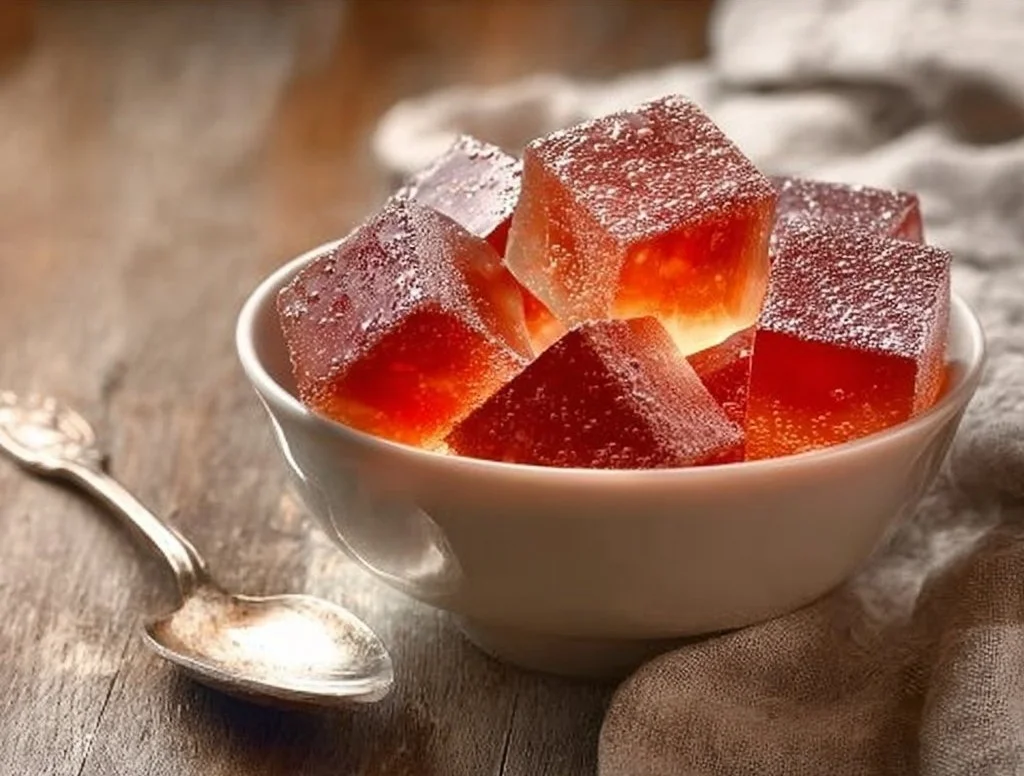
I remember first making this simple sugar-free gelatin for a friend who was recovering from bariatric surgery — it’s one of those small comforts that feels intentional and practical. Light, hydrating, and easy to swallow, this jello is useful during early recovery stages or whenever you want a low-calorie, easy-to-digest snack. The recipe is quick, flexible, and gentle on the stomach, which is why many people keep a box in the pantry.
Why you’ll love this dish
This gelatin recipe is perfect when you need something fast, cooling, and stomach-friendly. It takes minutes to prepare, uses pantry-stable ingredients, and can be portioned into small cups for controlled servings — important for post-op portions or anyone watching calorie intake. Because it’s sugar-free, it’s suitable for people monitoring sugars, and adding small pieces of soft fruit can make it more satisfying without a lot of extra calories.
Beyond the post-op context, it’s great for hot afternoons, kid-friendly snacks, or as a light dessert after a heavy meal. Just be mindful of added fruit choices and sugar substitutes if you have specific medical guidance.
Step-by-step overview
You’ll boil half the water, dissolve the powdered gelatin in the hot liquid, then dilute with cold water and any optional fruit. After pouring into cups or a mold, refrigerate until firm (typically 2–4 hours). Total active time is under 10 minutes; most of the time is chilling.
What you’ll need
- 1 package sugar-free gelatin (one standard packet; pick your favorite flavor)
- 2 cups water (split as 1 cup hot/boiling, 1 cup cold)
- Optional: Fresh fruit pieces (berries, seedless citrus segments, or soft melon — avoid fresh pineapple, kiwi, papaya, and raw mango; see notes)
- Optional: Mint leaves for garnish
Notes and substitutions:
- If you prefer, use flavored sugar-free gelatin to add variety. Steer clear of fruit that contains proteolytic enzymes (like fresh pineapple and kiwi) because they can prevent the gelatin from setting; canned pineapple is cooked and safe.
- If you need more protein later in recovery, consult your dietitian before adding protein powders — some interfere with setting (see Tips).
Step-by-step instructions
- Pour 1 cup of water into a small pot and bring it to a boil.
- Remove the pot from heat. Immediately stir in the sugar-free gelatin packet until it dissolves completely and there are no granules left.
- Stir in 1 cup of cold water to cool the mixture and blend the flavor.
- If using fruit, distribute small pieces into cups or the mold before pouring. Add fruit sparingly so portions stay appropriate.
- Pour the gelatin mixture into individual cups or a single mold. Cover loosely.
- Refrigerate for about 2–4 hours, or until firm. Serve chilled and garnish with fresh mint if you like.
01Ingredients
Main Ingredients
Optional Ingredients
02Method
- Preparation
Tap a step when it's done. The next one lights up.
0 OF 7 DONE03Recipe notes
- 01Refrigerate gelatin covered in an airtight container for up to 5–7 days. Avoid reheating gelatin. Freezing is possible but may affect texture. Use clean utensils and discard if it smells off or shows mold.
How did it turn out?
No ratings yet. Tap a star to be the first.
Snap a photo and tag @recipe_smoke1 so I can see how yours came out.
Best ways to enjoy it
- Serve in small, shallow cups so it’s easy to spoon and control portions.
- Pair a small cup with a clear broth or a mild, protein-rich soup (if your diet allows) for a light starter or recovery snack.
- For a refreshing twist, top with a sprig of mint or a few crushed frozen berries right before serving.
- Use silicone molds for fun shapes — small molds make it feel special without adding volume.
Storage and reheating tips
Refrigerate gelatin covered in an airtight container for up to 5–7 days. Keep it at or below 40°F (4°C).
Avoid reheating gelatin. Heating will melt it and the texture won’t recover when chilled again.
Freezing is possible but not recommended; thawed gelatin often becomes watery and separates. If you must freeze, use individual portions and expect texture changes; consume within 1 month.
Practice safe food handling: use clean utensils, don’t leave gelatin at room temperature for extended periods, and discard if it smells off or shows mold.
Creative twists
- Layered cups: make two different colors and pour in stages, chilling each layer until slightly set before adding the next.
- Tea-based gelatin: replace all or part of the water with strong, cooled herbal tea for more nuanced flavors (avoid caffeinated tea if sensitive).
- Mini fruit bombs: puree a small amount of fruit and spoon a teaspoon into the bottom of each cup before adding gelatin for concentrated bursts of flavor.
- Low-sugar fruit syrup: simmer berries with a touch of sugar substitute, cool, and swirl into set gelatin for a marbled look.
Your questions answered
Is sugar-free gelatin safe after bariatric surgery?
A: Many clinics recommend clear, sugar-free gelatin during early post-op stages because it’s easy to swallow and low-calorie. However, every surgeon and dietitian has their own protocol, so confirm timing and portion size with your care team before trying it.
How long does it take to set?
A: It usually firms in 2–4 hours in the refrigerator. For very cold fridges or larger molds, allow up to 6 hours or chill overnight.
Can I add protein powder to make it higher-protein?
A: Adding most whey or plant protein powders can interfere with gelling and give a grainy texture. Unflavored collagen peptides sometimes work better, but they can still change texture. Always test a small batch and check with your dietitian if you’re following a post-op plan.
Which fruits should I avoid?
A: Fresh pineapple, kiwi, papaya, and raw mango contain enzymes that break down gelatin. Use cooked or canned versions of those fruits instead, or stick to berries, seedless citrus, and soft melon.
Will sugar-free sweeteners cause digestive issues?
A: Some sugar alcohols (sorbitol, mannitol, xylitol in large amounts) can cause bloating or diarrhea, especially after bariatric surgery. If you’re sensitive, choose gelatin sweetened with sucralose, stevia, or another tolerated sweetener, and follow your medical team’s guidance.
Conclusion
Enjoy these small, soothing cups of gelatin as part of a plan that’s tailored to your recovery or dietary goals — and when in doubt, check with your surgeon or registered dietitian.
 Healthy Snacks
 Healthy Snacks
 Healthy Snacks
