Healthy Sautéed Vegetables
A quick and nutritious sautéed vegetable medley that's bright, flexible, and perfect as a side dish for any meal.

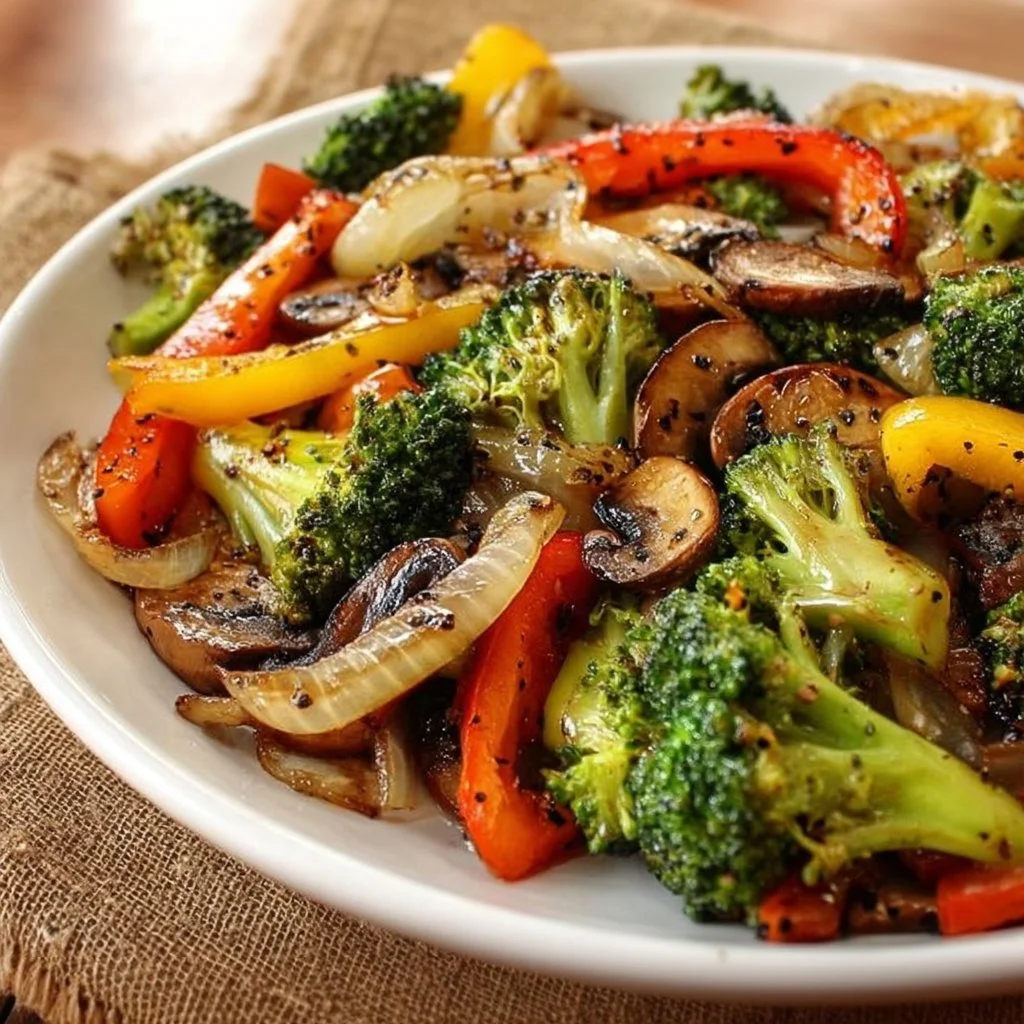
I make this sautéed-vegetable skillet on busy weeknights when I want something fast, bright, and reliably tasty — it’s the kind of side that rescues dinner. The mix of crisp-tender broccoli and snap peas with caramelized onions finishes in about 10 minutes and pairs with everything from grilled chicken to a grain bowl. If you like quick, low-fuss recipes that still feel homemade, this is it; and if you’re looking for other small-plate ideas, I also round up healthy snack ideas that work the same way.
Why you’ll love this dish
This sautéed vegetable medley is fast, flexible, and forgiving. It’s perfect when you want a nutritious side without turning dinner into a production. A few reasons it’s worth keeping in your weeknight rotation:
- Speed: Most of the cooking happens in 8–10 minutes once the pan is hot.
- Nutrition: A variety of vegetables gives you fiber, vitamins, and color in one dish.
- Budget-friendly: Use whatever produce is on sale or in your fridge.
- Crowd-pleasing: Mildly seasoned and customizable for kids or picky eaters.
How this recipe comes together
Overview: Prep all veg to similar sizes, heat a wide skillet, sauté aromatics briefly, add the firmer vegetables first, then toss in the softer ones until everything is crisp‑tender. Finish with a splash of acid or soy/balsamic for balance and garnish with seeds or herbs.
What you’ll do in sequence:
- Prep: Wash and cut vegetables uniformly so they cook at the same rate.
- Heat: Warm oil in a large skillet over medium-high heat so vegetables sear instead of steam.
- Aromatics: Quickly sweat garlic and onion to build flavor.
- Cook in stages: Add carrots and broccoli, then the quicker-cooking veggies.
- Season & finish: Salt, pepper, and a little acid or soy/balsamic; serve immediately.
Key Ingredients
- 2 tbsp olive oil (or avocado oil / butter) — avocado oil is great if you want a higher smoke point; butter adds richness but watch the heat.
- 2 cloves garlic, minced
- 1 small onion, thinly sliced
- 1 bell pepper, sliced
- 1 zucchini, sliced into half-moons
- 1 cup broccoli florets
- 1 medium carrot, julienned or thinly sliced
- ½ cup snap peas
- ½ cup mushrooms, sliced
- Salt and black pepper, to taste
- 1 tsp lemon juice (optional, brightens flavors)
- 1 tsp balsamic vinegar or soy sauce (optional, adds depth)
Optional toppings: toasted nuts or seeds, fresh herbs (parsley, basil), grated Parmesan
Ingredient notes and substitutions:
- Swap asparagus or green beans for snap peas if in season.
- Use tamari or coconut aminos instead of soy sauce for a gluten-free option.
- Add a pinch of red pepper flakes if you want heat.
Step-by-step instructions
- Prep vegetables: Wash and trim everything. Cut to uniform sizes: broccoli florets bite-sized, zucchini in half-moons about ¼-inch thick, carrot matchsticks.
- Heat the pan: Place a large skillet over medium-high heat. Add 2 tbsp oil and let it shimmer but not smoke.
- Cook aromatics: Add minced garlic and sliced onion. Sauté 1–2 minutes until fragrant and the onion starts to soften.
- Add harder vegetables: Add the carrots and broccoli. Stir frequently for 3–4 minutes so they begin to brown but don’t overcook.
- Add softer vegetables: Toss in bell pepper, zucchini, mushrooms, and snap peas. Sauté 4–5 more minutes until vegetables are crisp-tender. Avoid overcrowding — cook in batches if your pan is small.
- Season and finish: Sprinkle with salt and black pepper. Add 1 tsp lemon juice or 1 tsp balsamic vinegar/soy sauce if using. Toss everything to coat and taste for seasoning.
- Serve: Remove from heat, garnish with herbs, seeds, or grated Parmesan, and serve immediately for best texture.
Timing tips: Total active cook time is about 8–10 minutes once the pan is hot. Prep time will depend on chopping speed — about 10 minutes for most home cooks.
01Ingredients
For the sautéed vegetables
02Method
- Preparation
- Cooking
Tap a step when it's done. The next one lights up.
0 OF 7 DONE03Recipe notes
- 01Refrigerate leftovers in an airtight container within two hours of cooking. Stored promptly, they keep well for 3–4 days. Reheat gently in a skillet over medium heat with a splash of water or oil to revive the texture, or microwave in short bursts to avoid sogginess. Freezing is not recommended as sautéed mixed vegetables don’t freeze well due to texture changes.
How did it turn out?
No ratings yet. Tap a star to be the first.
Snap a photo and tag @recipe_smoke1 so I can see how yours came out.
Best ways to enjoy it
This sautéed vegetable mix is a fantastic all-purpose side. Try:
- Alongside grilled chicken, salmon, or a quick pan-seared tofu.
- Tossed with cooked quinoa, farro, or rice for a simple grain bowl.
- Folded into an omelet or frittata for a veggie-packed breakfast.
- Served over toasted sourdough with a smear of ricotta or goat cheese for a light lunch.
For more pairing ideas, see my side dish collection which includes protein and grain pairings that work beautifully.
Storage and reheating tips
Refrigerate in an airtight container within two hours of cooking. Stored promptly, leftovers keep well for 3–4 days.
Reheat gently in a skillet over medium heat with a splash of water or oil to revive the texture, or microwave in short bursts to avoid sogginess.
Freezing: Sautéed mixed vegetables don’t freeze beautifully because many get mushy. If you want to freeze, blanch the veggies individually before cooking and use in soups or casseroles later.
Food safety: Reheat leftovers to an internal temperature of 165°F (74°C) before eating.
Flavor swaps
- Mediterranean: Use olive oil, add cherry tomatoes at the end, finish with fresh basil and crumbled feta.
- Asian-style: Swap balsamic for soy sauce or tamari, add a splash of sesame oil, and top with toasted sesame seeds and scallions.
- Spicy kick: Add red pepper flakes or a drizzle of sriracha before serving.
- Roast instead: For a deeper caramelized flavor, roast the same vegetables at 425°F (220°C) for 18–22 minutes, turning once.
Your questions answered
Can I use frozen vegetables?
A: Yes. Frozen vegetables are convenient — thaw and pat dry to avoid extra moisture. Add sturdier frozen veg (broccoli, carrots) earlier and softer ones later. Texture will be softer than fresh.
How long does prep take?
A: Expect about 10–15 minutes of prep depending on knife skills. Cooking itself is 8–10 minutes.
Is this recipe vegan/gluten-free?
A: The base recipe is vegan and gluten-free. Use oil (not butter) and choose tamari or coconut aminos instead of soy sauce to keep it gluten-free.
Can I meal-prep this?
A: Partially. Chop vegetables in advance and store refrigerated. Cooked leftovers hold for 3–4 days, but reheat briefly to avoid overcooking.
Conclusion
This sautéed vegetable recipe is an easy, nutritious side that’s adaptable to many cuisines and weeknight needs. For another quick skillet approach with a similar method and timing, try Wholesome Yum’s sautéed vegetables recipe which offers a 20-minute version with helpful variations. For a different spin, try my Best Vegetable Lasagna.
 Side Dish
 Side Dish
 Side Dish
