Japanese Breakfast Egg Rice Bowl
This quick and comforting dish features warm short-grain rice topped with a raw or gently warmed egg, soy sauce, and customizable toppings, perfect for any meal.

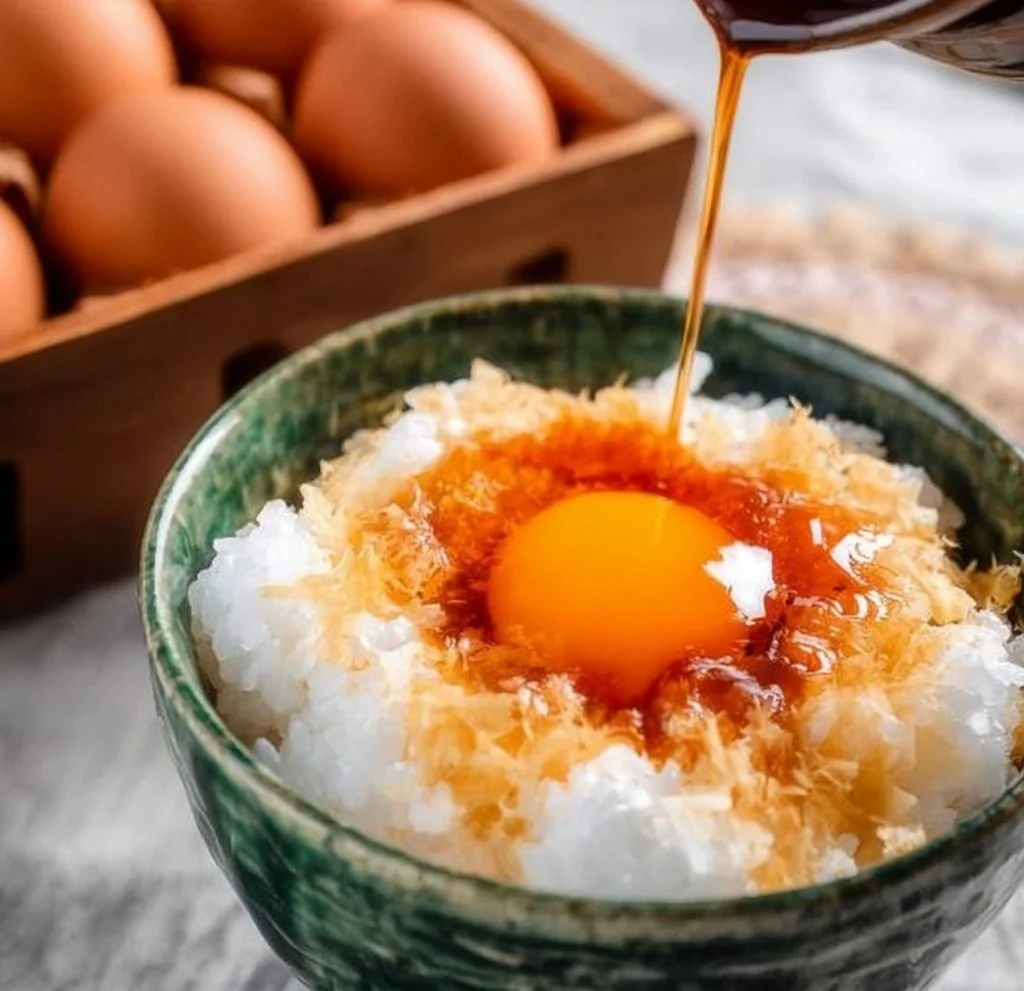
I grew up eating a steaming bowl of rice with an egg cracked on top—simple, comforting, and impossibly quick. This one-serving egg-over-rice dish (in Japan, Tamago Kake Gohan-style) is the ultimate last-minute meal: warm short-grain rice, a raw or gently warmed egg, a splash of soy sauce, and a few favorite toppings. It’s exactly the kind of recipe you reach for when you want something savory, filling, and ready in under five minutes.
Why you’ll love this dish
Egg over rice is everything good cooking should be: fast, cheap, and intensely satisfying. It’s perfect for a sleepy weekday breakfast, an easy lunch between meetings, or a midnight snack after a long day. Because the rice is hot, the egg loosens and slightly cooks as you stir, giving you a silky, custardy texture without fuss.
- Budget-friendly: minimal ingredients, maximum comfort.
- Ultra-fast: assemble in under five minutes if your rice is hot.
- Customizable: toppings change the flavor profile instantly.
- Authentic and homely: the Japanese classic is a beloved everyday dish.
The cooking process explained
Overview: cook short-grain rice until steaming hot, spoon one serving into a bowl, make a small well in the center, crack a large egg into the well, drizzle a little soy sauce, add toppings, then vigorously stir until the egg is fully incorporated and the rice takes on a pale yellow, glossy finish.
This overview helps you know what to expect: the rice should be hot (so it slightly heats the egg), the soy sauce is used sparingly to balance richness, and the final stir is what creates the silky texture.
What you’ll need
- 1 serving cooked Japanese short-grain rice (about 2¼ US cups / 330 g cooked; from ¾ cup / 150 g uncooked)
- 1 large egg (approx. 50 g without shell)
- Soy sauce (good quality; use tamari for gluten-free or low-sodium soy for less salt)
- Toppings of your choice (see suggestions below)
Notes/substitutions:
- If you prefer a slightly safer raw-egg option, use pasteurized eggs or an onsen-style soft egg.
- Short-grain rice gives the classic creamy texture; long-grain rice will be drier and less cohesive.
Directions to follow
- Gather ingredients and make sure your rice is freshly cooked and steaming hot. (¾ cup / 150 g uncooked short-grain rice yields about 2¼ cups / 330 g cooked.)
- Spoon one serving of hot rice into a bowl. Smooth the top and make a shallow well in the center.
- Crack the large egg directly into the rice well.
- Drizzle a small amount of soy sauce over the egg—start with about 1 teaspoon and adjust to taste.
- Add desired toppings (a light scattering of katsuobushi, furikake, sliced scallions, toasted sesame seeds, or shredded nori are all great).
- If you like, add a tiny extra drizzle of soy sauce over the toppings—be cautious; soy can quickly dominate.
- Using chopsticks or a fork, stir briskly until the egg is fully mixed into the rice and the mixture looks pale yellow and glossy. Serve immediately.
01Ingredients
Main ingredients
Toppings
02Method
- Preparation
Tap a step when it's done. The next one lights up.
0 OF 7 DONE03Recipe notes
- 01Consume immediately for best texture and safety. Store rice and egg components separately if necessary. Use pasteurized eggs if health concerns exist.
How did it turn out?
No ratings yet. Tap a star to be the first.
Snap a photo and tag @recipe_smoke1 so I can see how yours came out.
Best ways to enjoy it
- Eat straight from a small bowl with chopsticks for the authentic feel.
- Pair with a side of miso soup and pickles for a fuller breakfast.
- Add a small salad or steamed greens for lunch.
- For a heartier dinner, top with quick pan-seared salmon flakes or kimchi.
Serving tip: present the toppings separately and let each person finish their bowl to taste—this keeps textures fresh and lets everyone adjust saltiness.
Storage and reheating tips
Consume immediately for best texture and safety. The dish is intended to be eaten right away.
If you must store, keep rice and egg components separate. Refrigerate cooked rice within 1–2 hours in a shallow airtight container and use within 3–4 days.
Do not refrigerate rice with raw egg mixed in. If mixed and refrigerated, the texture and safety are compromised.
To reheat leftover plain cooked rice: steam in a bowl with a damp paper towel in the microwave or reheat in a pan with a splash of water until steaming hot (reheat to 165°F / 74°C).
If you want leftovers with egg, use a fully cooked egg (soft-boiled, poached, or scrambled) instead of raw.
Food-safety note: raw eggs carry a small risk of Salmonella. If you are pregnant, elderly, very young, or immunocompromised, use pasteurized eggs or cook the egg.
Creative twists
- Onsen-style: replace a raw egg with an onsen tamago (low-temperature cooked egg) for a silky but slightly safer variation.
- Protein boost: top with flaked smoked salmon, shredded cooked chicken, or a spoonful of natto.
- Korean fusion: add kimchi and sesame oil for a tangy heat.
- Vegan-ish swap: use a soft tofu cube mashed into hot rice with a touch of miso and sesame oil.
- Grain change: try brown or mixed grains, but note the texture will be nuttier and less creamy.
Helpful answers
Is it safe to eat raw egg on hot rice?
Many people eat it regularly—hot rice slightly warms the egg—but raw eggs carry a small Salmonella risk. Use pasteurized eggs or a cooked egg if you have health concerns or are serving vulnerable people.
How much soy sauce should I use?
Start with about 1 teaspoon over the egg and add more after stirring if needed. Too much soy will mask the egg’s richness.
Can I make this ahead?
The finished, mixed bowl should be eaten immediately. You can make the rice ahead and reheat it hot just before assembling. Keep components separate until serving.
What if I don’t have short-grain rice?
You can use medium- or long-grain rice, but the texture will be less creamy and the egg won’t bind as smoothly.
How do I make it for more people?
Prepare multiple bowls of hot rice, crack an egg into each, and assemble toppings per bowl. Work quickly so the rice stays hot.
Conclusion
Egg over rice is a tiny masterpiece of comfort cooking—minimal ingredients, immediate satisfaction, and infinite ways to personalize. If you want to learn more about the Japanese classic that inspired this dish, read the detailed recipe notes on Tamago Kake Gohan (Japanese-Style Egg Rice) – Serious Eats, or explore the dish’s cultural background on Tamago kake gohan – Wikipedia.
 Breakfast
 Breakfast
 Breakfast
