Old Fashioned Pickled Beets
Bright, sweet-tart, and warmly spiced, these pickled beets are a nostalgic condiment perfect for enhancing meals and preserving a bumper crop of beets.

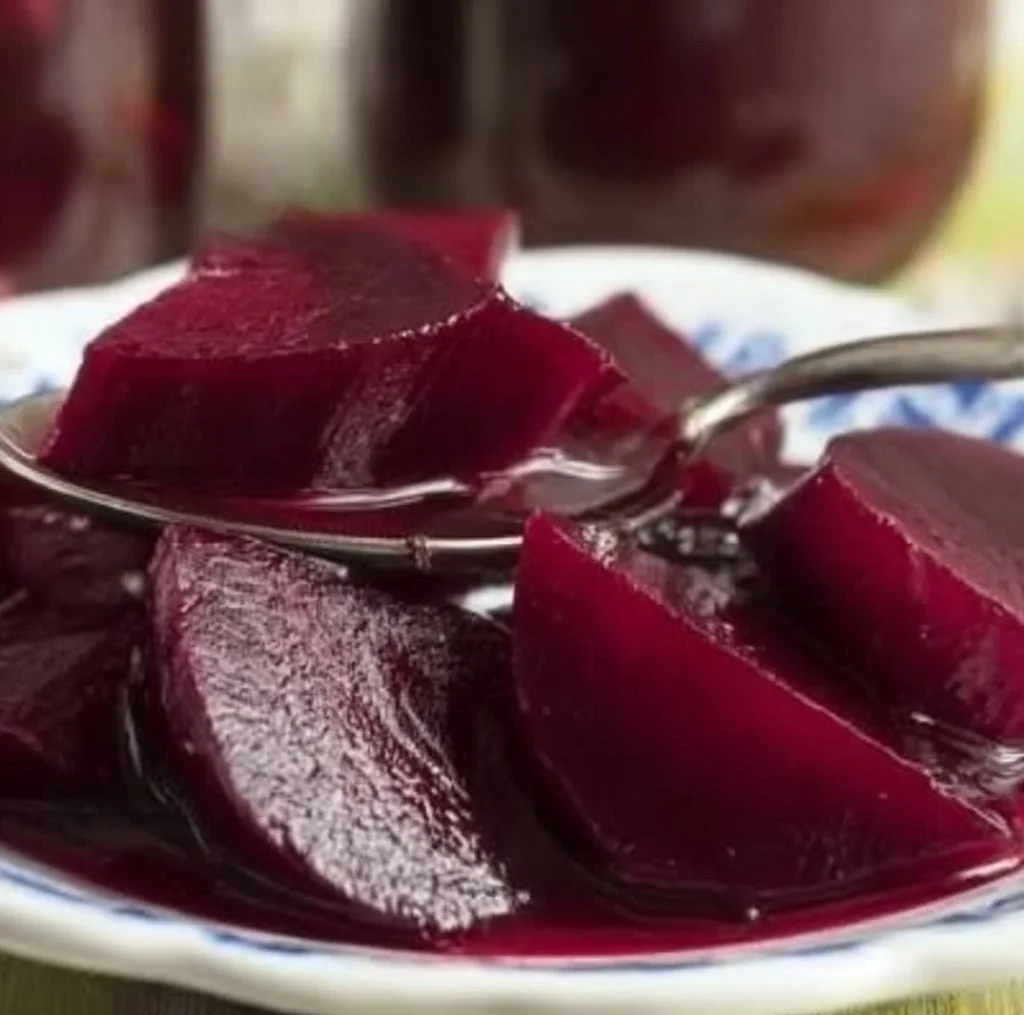
I learned to make these old fashioned pickled beets from my grandmother — they were a staple on holiday tables and an easy way to preserve a bumper crop of beets from the garden. Bright, sweet-tart, and warmly spiced, they add color and depth to simple meals. I’ll often tuck a few slices into a classic cold sandwich for lunch; for a similar retro pairing see my take on a cold chicken mayo sandwich that benefits from a sweet-tangy beet bite.
Why you’ll love this dish
These pickled beets are nostalgia in a jar. They balance the earthiness of fresh beets with a tangy vinegar bite, rounded out by sugar and warm spices. Make them when you want:
- A frugal way to use a lot of beets at once.
- A make-ahead condiment for holiday salads, sandwiches, or charcuterie.
- A kid-friendly, colorful side that’s surprisingly approachable.
They’re also flexible: scale the batch up for gifting jars, or keep a small refrigerator batch for weekday meals.
How this recipe comes together
Step-by-step overview before you start:
- Boil whole beets until tender, then cool and peel — this keeps the beets intact and prevents them from turning mushy.
- Slice or cube the cooled beets for even pickling.
- Heat a simple pickling liquid of vinegar, water, sugar, salt, and whole spices so flavors meld and sugar dissolves.
- Pack beets into sterilized jars, pour over hot brine, then seal and process in a boiling water bath for preservation (or refrigerate for a quick batch).
- Let the jars sit for at least a couple of weeks for best flavor.
This quick outline helps you picture the kitchen flow before you dive into the details.
What you’ll need
- Fresh beets — choose firm, unblemished roots.
- Vinegar — white distilled or apple cider vinegar (5% acidity).
- Water.
- Granulated sugar.
- Salt — pickling or kosher salt preferred (avoid iodized table salt).
- Whole cinnamon sticks.
- Whole cloves.
- Whole allspice berries.
Ingredient notes and simple swaps:
- Sugar: brown sugar can add a molasses note; use less if you prefer tart.
- Vinegar: apple cider vinegar lends a milder, fruitier flavor; keep acidity around 5% for safe pickling.
- Spices: feel free to add bay leaves or peppercorns for nuance.
Step-by-step instructions
- Prep and cook the beets: Trim beet greens close to the crown and scrub beets clean. Place in a pot, cover with water, and bring to a boil. Simmer until fork-tender — usually 30–45 minutes depending on size. Drain and cool until you can handle them.
- Peel and cut: Slip off skins with your fingers or a small knife; the skin should rub away easily. Slice or cube the beets to your preferred thickness (1/4–1/2 inch slices work well).
- Make the pickling liquid: In a saucepan combine vinegar, water, sugar, and salt. Add 1–2 cinnamon sticks, 4–6 whole cloves, and a few allspice berries per quart jar of finished beets. Bring to a rolling boil, stirring until the sugar dissolves.
- Pack jars: Sterilize jars and lids (boil or use a dishwasher hot cycle). Tightly pack the beet slices or cubes into the jars, leaving about 1/2 inch headspace.
- Pour and seal: Pour the hot pickling liquid over the beets, covering them and maintaining the headspace. Wipe rims, apply lids, and screw on bands until fingertip-tight.
- Process: Place jars in a boiling water bath and process for 10–15 minutes (adjust for altitude). Remove jars and let cool undisturbed; lids should seal with a pop.
- Rest before serving: For best flavor, let the pickled beets sit for at least 2–3 weeks. If you choose not to water-bath, refrigerate the jars and use within several weeks.
Safety note: Ensure jars seal properly. If any jar fails to seal during processing, refrigerate and use that jar first.
01Ingredients
For the pickled beets
02Method
- Preparation
- Making the Pickling Liquid
- Packing and Processing
- Finishing Touches
Tap a step when it's done. The next one lights up.
0 OF 16 DONE03Recipe notes
- 01Wear gloves when handling beets to avoid staining. Check seals before using. Avoid freezing as it changes the texture.
How did it turn out?
No ratings yet. Tap a star to be the first.
Snap a photo and tag @recipe_smoke1 so I can see how yours came out.
Best ways to enjoy it
- Serve chilled with a dollop of crème fraîche or goat cheese on crostini.
- Toss slices into a spinach salad with walnuts and feta for a classic sweet-savory combo.
- Add to a grain bowl or alongside roasted meats for bright contrast.
- For a retro dessert-board pairing, a slice of cake balances the beets’ tang — try alongside an old-fashioned maraschino cherry cake for an indulgent nostalgic spread.
How to store & freeze
Pantry (shelf-stable): If jars are properly water-bath processed and sealed, store in a cool, dark pantry for up to 12 months. Always check seals before using.
Refrigerator: Unprocessed or failed-seal jars should be refrigerated and used within 2–3 months. Even processed jars, once opened, should be refrigerated and used within a month.
Freezing: Freezing changes beet texture and is not recommended for jars intended to stay crisp and pretty; if you must freeze, pack beets in freezer-safe containers and accept a softer texture for use in cooked dishes.
Always label jars with date made. Discard any jar that shows signs of spoilage, off-odors, or bulging lids.
Creative twists
- Spicy: Add sliced jalapeños or a few red pepper flakes to the brine.
- Herbed: Include fresh dill or a sprig of thyme in the jar for an herbal note.
- Sweet-smoky: Swap half the sugar for maple syrup and add a smoked paprika pinch.
- Quick refrigerator beets: Skip canning, pour hot brine over beets in a jar, cool, refrigerate, and enjoy after 24–48 hours. Use within 2–3 weeks.
Your questions answered
How long before pickled beets are ready to eat?
A: They’re edible after a few days, but flavor improves after 2–3 weeks as the brine infuses the beets.
Do I need to peel beets before pickling?
A: No. Boiling and cooling makes the skins slip off easily. Peeling after cooking preserves the beet’s texture and color better than peeling raw.
Can I can pickled beets safely at home?
A: Yes — if you follow tested canning procedures: use jars and lids in good condition, maintain the recommended processing time in a boiling water bath, and verify seals. When in doubt, refrigerate and consume within weeks.
Can I omit sugar for a no-sugar version?
A: You can reduce or omit sugar, but sugar balances acidity and spices. If omitting, taste the brine and consider a sugar substitute designed for canning, and be aware the flavor profile will be more sharply acidic.
Conclusion
If you want another home-canning take or a slightly different spice profile, this Old Fashioned Pickled Beets Recipe – The Frugal Farm Wife is a useful reference for traditional proportions and methods. Looking for more? Try my Pickled Pineapple.
 Side Dish
 Side Dish
 Side Dish
