Korean Bean Sprout Salad (Sukju Namul)
A light, crunchy, and garlicky Korean bean sprout salad that's quick to prepare and perfect as a side dish for various meals.

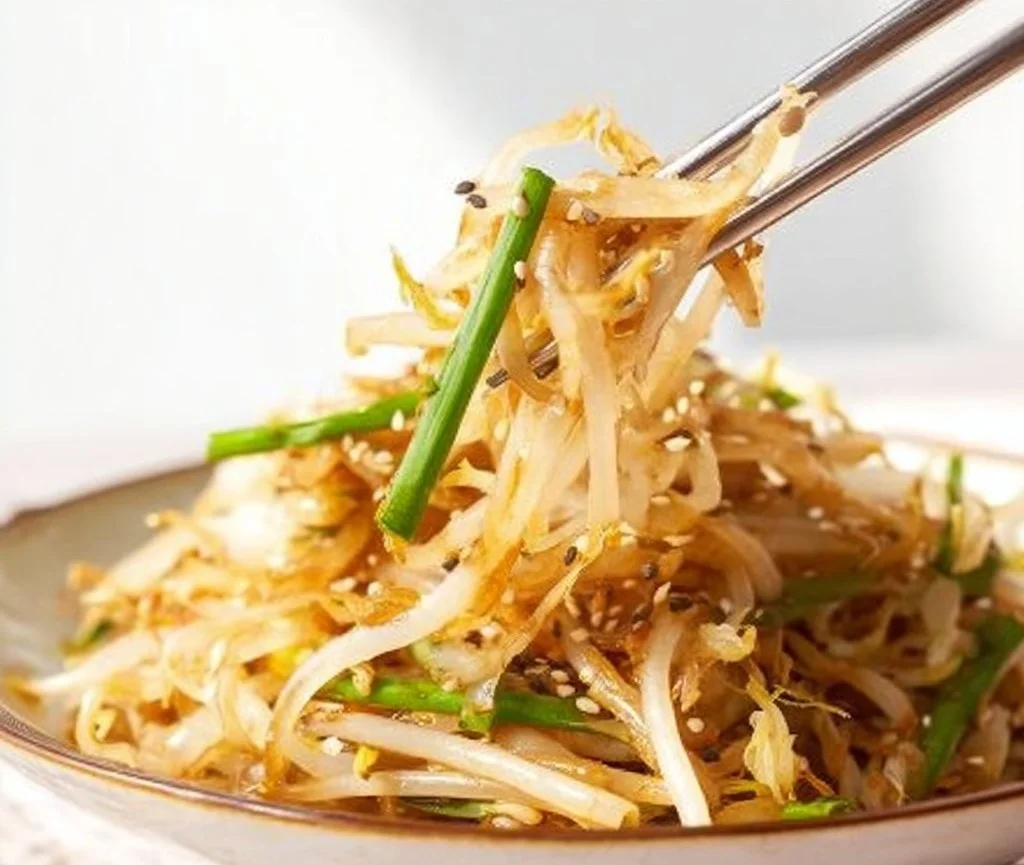
I grew up eating a small bowl of crunchy, garlicky bean sprouts at every Korean meal, and this Sukju Namul—simple, quick, and impossibly fresh—still feels like comfort. It’s the kind of side dish you whip up when you want something light but flavorful: perfect for weeknights, BBQs, or as a crisp counterpoint to richer mains. If you enjoy bright, vegetable-forward sides like a Mediterranean bean salad, this will fit right into your repertoire: Mediterranean bean salad.
Why you’ll love this dish
This salad is all payoff with minimal work. It’s fast (ready in about 10 minutes), budget-friendly, and uses pantry staples—soy sauce and sesame oil—to coax big flavor from humble mung bean sprouts. Because the sprouts stay slightly crunchy, they add welcome texture alongside rice bowls, grilled meats, or spicy stews.
Reasons to reach for Sukju Namul:
- Quick prep when you need a fresh side in minutes.
- Low-cost and common ingredients.
- Naturally low-calorie and vegan; easy to adapt for kids or picky eaters.
- Complements strong flavors (Korean BBQ, spicy kimchi stews) with a cooling, garlicky contrast.
Step-by-step overview
This recipe is essentially blanch, shock, season, and toss. First you rinse and blanch the sprouts very briefly so they’re tender-crisp. After an ice or cold-water shock, you dress them with a simple mixture of soy sauce, sesame oil, garlic, and a pinch of salt. Finish with sesame seeds and chopped green onion for aroma and crunch. If you like bright, bold sides, this is as straightforward as they come—similar in spirit to other fast, seasoned salads such as this Mexican street corn salad recipe I reference for plating ideas: amazing Mexican street corn salad — 3 secrets for a perfect bowl.
Key Ingredients
- 2 cups fresh mung bean sprouts (sukju)
- Note: Freshness matters—look for crisp, white stems and no sliminess.
- 2 tablespoons soy sauce
- Substitute: low-sodium soy sauce or tamari for gluten-free.
- 1 tablespoon sesame oil
- Lightly toasted sesame oil gives the classic nutty aroma.
- 1 clove garlic, minced
- Garlic can be reduced or omitted for sensitive palates.
- 1 teaspoon sesame seeds
- Toast them briefly in a dry pan for extra fragrance.
- 1 green onion, chopped
- Use both white and green parts for balance.
- Salt to taste
- Add sparingly if you use regular soy sauce; start with a pinch.
Step-by-step instructions
- Rinse the bean sprouts thoroughly under cold running water. Drain well.
- Bring a pot of water to a rolling boil. Add the sprouts and cook 2–3 minutes until tender but still crisp.
- Immediately drain and plunge the sprouts into a bowl of ice water (or run under cold water) to stop the cooking. Drain again and squeeze gently to remove excess water.
- In a mixing bowl, whisk together soy sauce, sesame oil, minced garlic, and a tiny pinch of salt. Taste and adjust.
- Add the drained sprouts to the bowl and toss vigorously so every stem gets dressed.
- Transfer to a serving bowl and finish with sesame seeds and chopped green onion. Serve chilled or at room temperature.
01Ingredients
Main ingredients
02Method
- Preparation
- Dressing
Tap a step when it's done. The next one lights up.
0 OF 6 DONE03Recipe notes
- 01Store in an airtight container for up to 2 days in the refrigerator. The sprouts will lose some crunch after 24 hours. Not recommended for freezing. Eat cold or bring to room temperature; avoid reheating in the microwave.
How did it turn out?
No ratings yet. Tap a star to be the first.
Snap a photo and tag @recipe_smoke1 so I can see how yours came out.
Best ways to enjoy it
- Serve as a banchan (Korean side dish) alongside steamed rice, bulgogi, or kimchi-jjigae.
- Use it cold on top of bibimbap for extra texture.
- Toss into a grain bowl with warm brown rice, sliced cucumbers, and a fried egg for a quick lunch.
- Plate it simply in a shallow dish sprinkled with extra sesame seeds for a clean, restaurant-style look.
Storage and reheating tips
Refrigerator: Store in an airtight container for up to 2 days. The sprouts will lose some crunch after 24 hours—consume sooner for best texture.
Freezing: Not recommended—the delicate texture collapses when thawed.
Reheating: Eat cold or bring to room temperature; avoid reheating in the microwave (it becomes soggy). If you prefer warm, briefly sauté in a hot pan for 30–60 seconds with a splash of sesame oil.
Food safety note: keep cooked sprouts refrigerated within two hours and reheat (if you must) to steaming hot before eating. Because sprouts were blanched, they’re safer than raw sprouts, but still treat them like any cooked vegetable.
Creative twists
- Spicy: add 1/2 teaspoon gochugaru (Korean red pepper flakes) or a drizzle of gochujang-thinned with water for heat.
- Citrus brightener: finish with a squeeze of lime or lemon for a fresher, summery note.
- Nutty crunch: toss in toasted pine nuts or sliced almonds instead of sesame seeds.
- Protein boost: mix in shredded chicken or blanched tofu for a light main course.
- Herb-forward: fold in chopped cilantro or finely sliced shiso for a different aromatic profile.
Common questions
How long does this take to prepare?
A: Active time is about 10 minutes—5 minutes to blanch and shock, 3 minutes to mix and finish.
Can I use other types of sprouts?
A: Yes, you can use soybean sprouts or other mung-type sprouts, but cooking time may vary. Soybean sprouts are thicker and often need a little longer to cook.
Is this vegan and gluten-free?
A: The base recipe is vegan. For gluten-free, use tamari or a certified gluten-free soy sauce.
Can I make it ahead for a party?
A: You can prepare it a few hours ahead and refrigerate, but make the dressing fresh or toss right before serving to keep maximum crunch.
Why do I need to shock the sprouts?
A: Shocking in cold water stops the cooking immediately, preserving texture and preventing overcooking from residual heat.
Conclusion
If you want a quick, authentic Korean side that’s adaptable and fresh, Sukju Namul is a dependable choice—easy enough for weeknights, clean-tasting enough for special meals. For more ideas, check out Maangchi’s Mung bean sprout side dish (Sukjunamul-muchim) and my Greek Bean Salad.
 Side Dish
 Side Dish
 Side Dish
