Japchae with Sweet Potato Noodles
Japchae is a delicious and flexible Korean dish featuring sweet potato glass noodles, caramelized beef (or a vegetarian swap), vibrant vegetables, and sesame oil. Perfect for busy nights or special occasions.

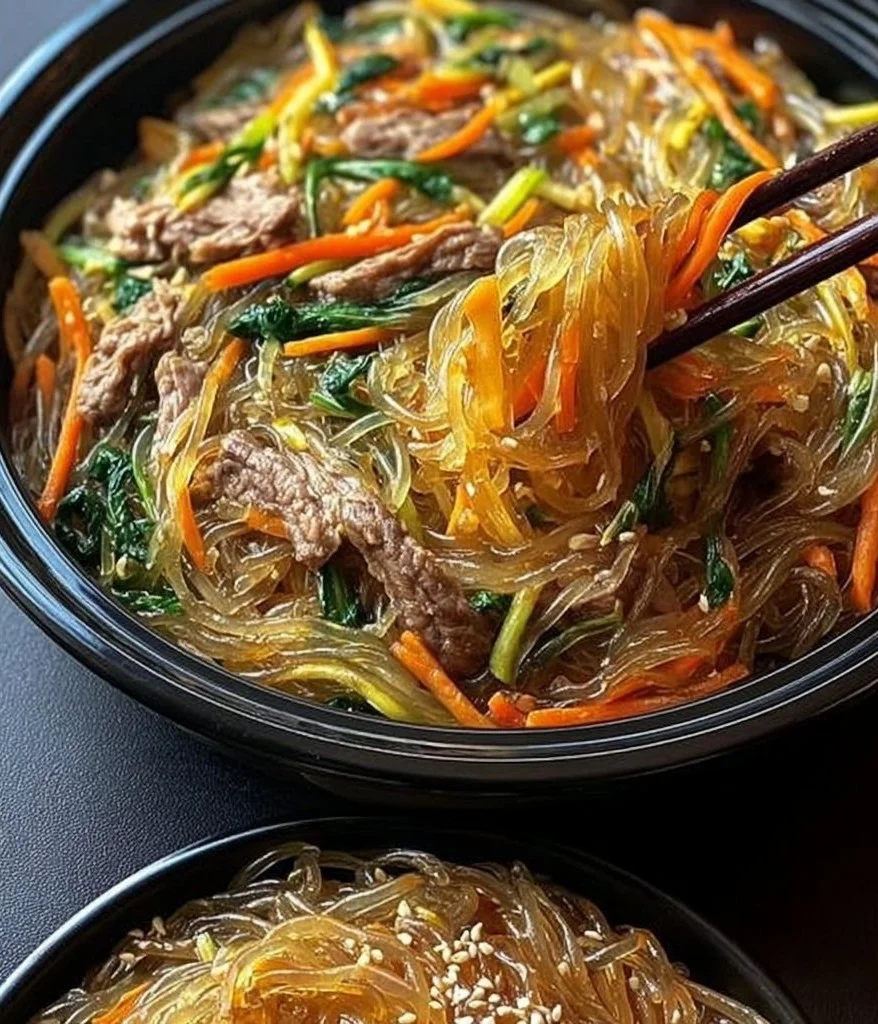
Japchae is one of those dishes I make when I want something that feels special but doesn’t take over the evening. Tender, slightly sweet glass noodles tossed with caramelized beef (or a vegetarian swap), bright vegetables, and toasty sesame oil — it’s a Korean classic that works for weeknights, potlucks, and holidays alike.
Why you’ll love this dish
Japchae hits a lot of marks: it’s fast, adaptable, and endlessly satisfying. The slippery sweet potato (glass) noodles soak up a glossy, savory-sweet sauce while the quick-high-heat cooking keeps vegetables vibrant and beef tender. Make it for a simple family dinner, scale it up for a crowd, or serve it alongside grilled proteins at a weekend Korean feast.
What makes it special:
- Texture contrast: springy dangmyeon (sweet potato noodles) vs. crisp carrots and soft spinach.
- Flexible proteins: beef, chicken, shrimp, or tofu all work.
- Fast finish: most components cook in minutes, so this is great for busy nights.
- Friendly for many diets when you swap tamari for soy sauce or use tofu.
How this recipe comes together
- Boil the sweet potato noodles briefly, drain, and keep them separate so they don’t overcook.
- Sear thin-sliced beef in a hot skillet and season while cooking for quick caramelization.
- Stir-fry carrots and onions until tender-crisp, then finish with garlic, green onions, and spinach so everything stays bright.
- Combine noodles, veggies, and beef in a large bowl. Toss with sesame oil and the remaining sauce to coat evenly. This overview gives you the flow: noodle cook → protein → vegetables → combine and toss.
What you’ll need
- 2 lb thin-sliced beef (sub: chicken, tofu, or shrimp for alternatives)
- 1 lb Korean sweet potato noodles (dangmyeon / glass noodles)
- 3 medium carrots, julienned
- 1 large white onion, thinly sliced
- 1/2 bunch green onions, chopped (reserve extra for garnish)
- 6 garlic cloves, minced
- 1/2 lb spinach leaves
- 4 tbsp sesame oil, divided
- 1 tbsp olive oil (for boiling + veg)
- 6 tbsp soy sauce (use tamari for gluten-free)
- 3 tbsp brown sugar
Notes and substitutions:
- For vegetarian japchae, replace beef with firm tofu, pressed and pan-seared, or use shiitake mushrooms for deeper umami.
- If you can’t find sweet potato noodles, use wide rice noodles in a pinch — the texture will be different but still tasty.
- Adjust brown sugar to taste; honey or maple syrup can be used but alter flavor slightly.
Step-by-step instructions
- Bring a large pot of water to a vigorous boil with a drizzle of olive oil. Add the sweet potato noodles and cook 5–6 minutes until just tender. Drain and run under cold water to stop cooking. Toss with 1 tbsp sesame oil and set aside so they don’t stick.
- Heat a skillet over high heat. Add the thin-sliced beef (no need for much oil if the pan is hot). While searing, season with half the soy sauce, 1 tbsp sesame oil, and half the brown sugar. Cook until browned and caramelized on the edges, 3–5 minutes depending on thickness. Remove and keep warm.
- In another skillet, heat 1 tbsp olive oil over medium-high heat. Add the julienned carrots and sliced onion. Stir-fry until softened and slightly caramelized, about 4–6 minutes.
- Add the remaining soy sauce, 1 tbsp sesame oil, and remaining brown sugar to the vegetables. Stir well. Mix in minced garlic and chopped green onions. Cook for another minute until fragrant.
- Add the spinach to the skillet and stir until just wilted, about 30–60 seconds. Remove from heat.
- Place the noodles in a large mixing bowl. Add all vegetables and the cooked beef. Drizzle the remaining sesame oil over the top.
- Toss everything together thoroughly so the sauce coats the noodles and ingredients evenly. Serve warm and garnish with extra green onions if desired.
01Ingredients
Main Ingredients
02Method
- Preparation
- Combining
Tap a step when it's done. The next one lights up.
0 OF 7 DONE03Recipe notes
- 01Store leftovers in an airtight container for 3–4 days. Refresh with a splash of soy sauce or sesame oil when reheating. Do not freeze the finished dish as noodles may become gummy.
How did it turn out?
No ratings yet. Tap a star to be the first.
Snap a photo and tag @recipe_smoke1 so I can see how yours came out.
Best ways to enjoy it
- Serve japchae as a main with kimchi and a simple soup, or as a side at a larger Korean-style meal.
- Plate it on a long platter for family-style sharing. Add sesame seeds and chili flakes for visual contrast and extra flavor.
- Pair with grilled short ribs (galbi) or spicy gochujang-glazed chicken for a restaurant-style spread.
- For a picnic-friendly option, cool japchae completely and pack in a shallow container — it keeps its texture well.
Storage and reheating tips
Refrigerate: Store in an airtight container for up to 3–4 days. Because the noodles absorb sauce over time, keep a little sesame oil or a splash of soy sauce on hand to refresh flavor when reheating.
Reheat: Gently reheat in a skillet over medium heat with a teaspoon of sesame oil or a splash of water to loosen the noodles. Microwave-safe? Yes, but cover and heat in short bursts, stirring to avoid uneven hot spots.
Freeze: Japchae loses texture when frozen because the noodles can become gummy. I don’t recommend freezing the finished dish. If you must, freeze components separately (meat/veggies) and cook noodles fresh.
Food safety: Refrigerate within 2 hours of cooking. Reheat to 165°F (74°C) before serving.
Creative twists
- Vegetarian: Swap beef for pan-seared tofu cubes and add sliced shiitake mushrooms for depth.
- Seafood: Use shrimp; cook quickly in the hot skillet with a splash of the sauce so they stay tender.
- Spicy: Add gochujang (Korean chili paste) or Korean chili flakes (gochugaru) to the sauce for heat.
- Egg garnish: Top with thin strips of cooked egg crepe (jidan) for authentic presentation.
- Nutty crunch: Finish with toasted sesame seeds and chopped roasted peanuts or cashews.
Your questions answered
How long does prep and cook time take?
Prep (slicing, julienning) takes about 15–25 minutes depending on knife skills. Active cook time is roughly 20–25 minutes, so plan for about 40–50 minutes total.
Can I make japchae ahead for a party?
Yes. Make components (noodles, cooked meat, and vegetables) a few hours ahead and toss together just before serving. If making hours ahead, keep noodles slightly under-seasoned to avoid them soaking up all sauce.
Is japchae gluten-free?
The core ingredients are naturally gluten-free except for regular soy sauce. Use tamari or a gluten-free soy sauce alternative to make it safe for gluten-free diets.
Why use sweet potato noodles rather than rice or wheat noodles?
Sweet potato noodles (dangmyeon) have a unique chewy, slightly sticky texture and neutral flavor that soaks up the sauce perfectly. Other noodles will change texture and mouthfeel but can work in a pinch.
How do I stop the noodles from sticking together?
Rinse them under cold water immediately after draining, then toss with a tablespoon of sesame oil. Work gently when combining with other ingredients.
Conclusion
Japchae is a flexible, flavorful dish that rewards good prep and high-heat cooking. If you want a classic reference or additional technique ideas, check this Authentic Japchae Recipe: Korean Glass Noodle Stir Fry for a traditional version. If you want something similar, my Sweet Potato Puree is worth a try.
 Crockpot & Slow Cooker
 Dinner Bowls
 Casseroles
