Homemade Refrigerator Pickled Vegetables
These refrigerator pickled vegetables are a simple, quick method to add a bright, tangy crunch to your meals without the need for canning equipment.

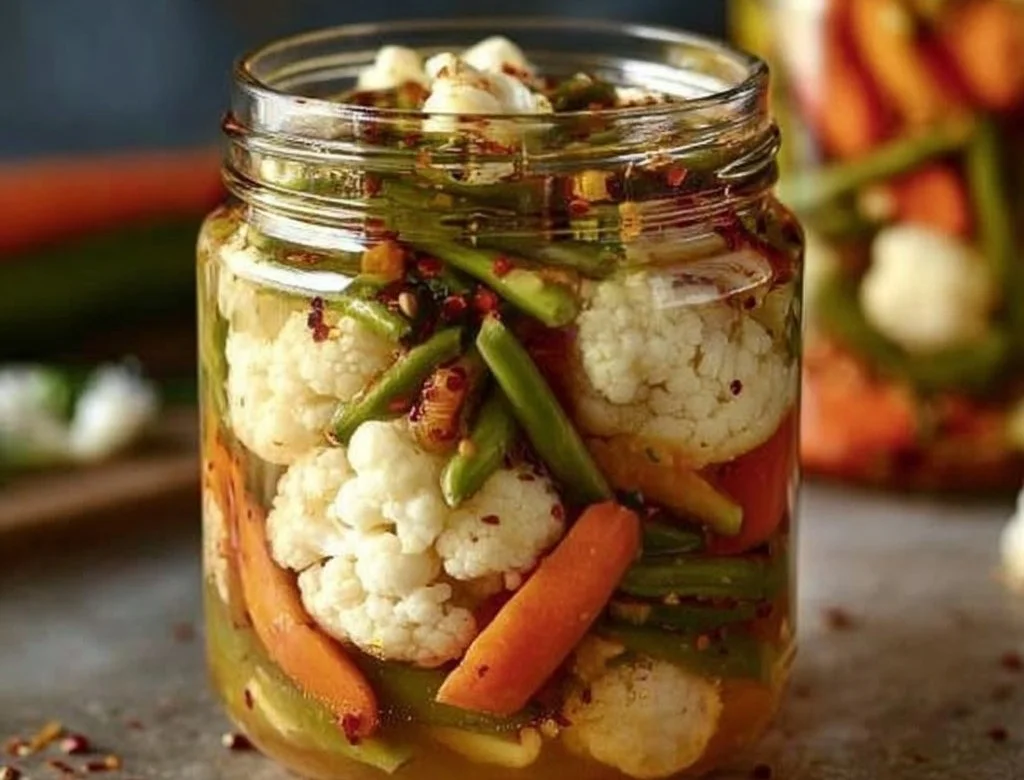
I grew up with jars of quick pickles in the fridge — a bright, tangy bite that elevated everything from sandwiches to late-night snacks. These refrigerator pickled vegetables are the same idea: a simple hot brine, crisp veggies, and enough flavor to make weeknight meals feel special. If you like small-batch pantry projects, this is as satisfying and fast as my take on cherry cinnamon rolls with homemade filling — low fuss, big payoff.
Why you’ll love this dish
Refrigerator pickles are one of those recipes that deliver flavor quickly without long-term commitment. You don’t need canning equipment or special skills — just fresh vegetables, pantry staples, and a clean jar. These pickles brighten sandwiches, add crunch to salads, and act as a budget-friendly condiment that lasts through the week.
Why it’s particularly handy:
- Fast: ready to enjoy after 24 hours.
- Flexible: use whatever veggies are in the fridge.
- Economical: stretches ingredients and minimizes waste.
- Kid-friendly: sweet-sour balance appeals to many kids when you keep the pepper modest.
Step-by-step overview
Before you dive in, here’s what happens: chop the vegetables, heat a simple vinegar brine with sugar and salt, add aromatics, pour the brine hot over the veg in a jar, cool, then refrigerate. The hot brine softens the edges of the vegetables and helps the flavors penetrate. After a day in the fridge the vegetables keep a pleasant crunch and pick up the tangy, garlicky notes.
What you’ll need
- 1 cup mixed vegetables (carrots, cucumbers, bell peppers, radishes), chopped into bite-sized pieces
- 1 cup water
- 1 cup vinegar (white distilled or apple cider — both work; use 5% acidity)
- 1 tablespoon sugar (balances acidity; omit for low-sugar)
- 1 tablespoon salt (kosher or pickling salt preferred)
- 2 cloves garlic, smashed
- 1 teaspoon mustard seeds
- 1 teaspoon whole peppercorns
- Optional: a sprig of dill or other herbs (thyme, tarragon, or bay leaf)
Notes/substitutions:
- Vinegar: white vinegar yields a clean tang; apple cider vinegar adds fruitiness.
- Salt: avoid iodized table salt (can cloud the brine). If that’s all you have, reduce slightly and taste.
- Sugar: swap for honey or maple syrup, but add after removing from heat to preserve flavor.
Step-by-step instructions
- Wash and chop all vegetables into bite-sized pieces. Uniform sizes pickle evenly.
- In a small saucepan combine the water, vinegar, sugar, and salt. Bring just to a boil, stirring until the sugar and salt fully dissolve.
- Add the smashed garlic, mustard seeds, and peppercorns to the hot brine. Let it return to a simmer for 30–60 seconds to bloom the spices.
- Pack the chopped vegetables into a clean jar, leaving about 1/2 inch headspace. Tuck in any sprigs of dill or other herbs if using.
- Pour the hot brine over the vegetables, covering them completely. Tap the jar gently to release trapped air bubbles.
- Let the jar cool to room temperature on the counter. Once cooled, seal with the lid and refrigerate.
- Chill for at least 24 hours before tasting. Flavors continue to develop over 2–3 days.
01Ingredients
Vegetables
Brine
02Method
- Preparation
- Chilling
Tap a step when it's done. The next one lights up.
0 OF 7 DONE03Recipe notes
- 01Refrigerate in a sealed jar. These pickles are not shelf-stable. Consume within 2–4 weeks for best texture and flavor. Do not freeze.
How did it turn out?
No ratings yet. Tap a star to be the first.
Snap a photo and tag @recipe_smoke1 so I can see how yours came out.
Best ways to enjoy it
These pickles are incredibly versatile:
- Serve alongside sandwiches, burgers, or grilled cheese for a bright contrast.
- Chop and toss into grain bowls or salads for texture and acidity.
- Plate with charcuterie or use as a crunchy side for tacos and barbecues.
- Try them with Mediterranean mains like Greek chicken meatballs with homemade tzatziki to cut the richness.
For a quick platter, arrange pickled vegetables beside hummus, cheeses, and olives.
Storage and reheating tips
Refrigerate in a sealed jar. These refrigerator pickles are not shelf-stable.
Consume within 2–4 weeks for best texture and flavor. After a month they may soften and lose brightness.
Do not freeze — freezing will damage the vegetables’ crispness.
If you double the recipe, use clean jars and keep brine-to-veg ratio consistent. Always use vinegar labeled 5% acidity for safe pickling.
If you want long-term shelf stability, follow a tested canning recipe and proper water-bath processing; this fridge method is for refrigerated use only.
Creative twists
- Asian-style: add a thumb of sliced ginger, a splash of rice vinegar, and a pinch of red pepper flakes.
- Sweet-spicy: use apple cider vinegar, brown sugar, and sliced jalapeño.
- Herby: swap dill for tarragon or add a bay leaf for depth.
- Low-sodium option: reduce salt and soak vegetables briefly in cold water to draw out some natural bitterness, then proceed; keep fridge time shorter and taste as you go.
- Quick ferment: for a tangier profile without canning, leave the jar at room temperature for 24 hours before refrigerating to encourage light fermentation, then move to the fridge.
Common questions
How long do refrigerator pickles need before they’re ready?
A: They’re edible after a few hours, but they taste best after 24 hours. Peak flavor often arrives around 48–72 hours.
Can I use any vinegar?
A: Use vinegars labeled 5% acidity (white distilled or apple cider are best). Plain white vinegar can work but may alter color and flavor. Avoid vinegars with lower acidity unless adjusted.
Are these safe without canning?
A: Yes — as long as you refrigerate them. This method produces refrigerator pickles, not shelf-stable canned pickles. For long-term storage without refrigeration, use a tested canning method.
Can I reuse the brine?
A: You can reuse the brine once for non-porous vegetables (like cucumbers), but it will be weaker and carry flavor from the first batch. Re-boil it before using again.
What if my vegetables get soft?
A: Over time pickled vegetables will soften. To maximize crunch, start with firm produce, keep consistent vinegar ratio, and consume within 2–4 weeks.
Conclusion
If you want more inspiration for quick pickles with different flavor profiles, this Quick Pickled Vegetables – My Quiet Kitchen guide shows similar small-batch techniques and variations. If you want something similar, my The Ultimate Guide to Quick Pickled Vegetables is worth a try.
Enjoy the tang — these jars are tiny flavor upgrades that make leftovers and simple meals feel intentional.
 Casseroles
 Side Dish
 Side Dish
