Pickled Vegetables
These quick pickled vegetables are a vibrant, tangy addition to sandwiches, salads, and bowls, ready to enjoy in just 24 hours with a shelf life of up to 2 months.

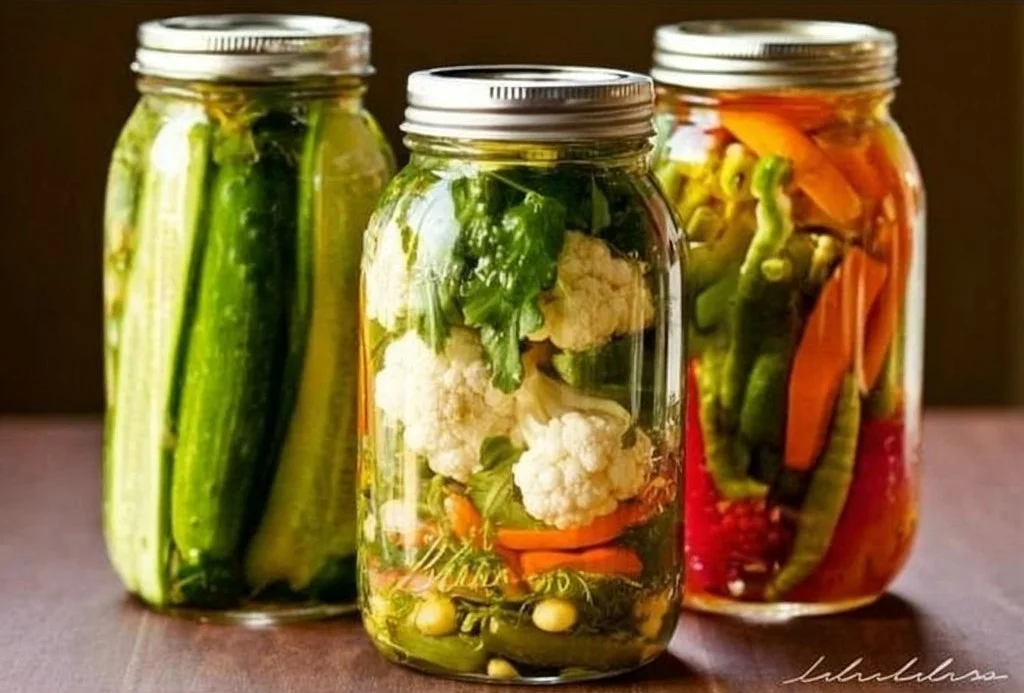
I make a big batch of quick pickled vegetables every few weeks — they brighten sandwiches, tacos, salads, and weeknight bowls with sharp, tangy crunch. This refrigerator pickle method is fast, forgiving, and needs only pantry staples and a handful of mason jars. If you want a low-effort way to add flavor and keep seasonal vegetables on hand, these pickles are a perfect go-to. For a cooked-vegetable counterpoint, they pair nicely with a warm skillet of healthy sautéed vegetables.
Why you’ll love this dish
These pickled vegetables are quick, flexible, and wallet-friendly. Unlike long fermentations, this refrigerator method gives bright, safe pickles after 24 hours and keeps them for weeks. Use whatever crisp veggies you have — carrots, green beans, cauliflower, radishes, and cucumbers all work — and tweak the spice mix to suit your heat tolerance.
Why else try them:
- Speed: ready to eat in 24 hours, better after a few days.
- No special equipment: no canner or fermentation crocks required — just jars and a saucepan.
- Versatility: serve as a snack, condiment, or side at barbecues, brunches, and weekday dinners.
- Shelf life: refrigerator-stored jars stay crisp and flavorful for up to 2 months.
Preparing Pickled Vegetables
This is the quick overview before you start: wash and cut the vegetables, sterilize jars, layer spices and garlic in each jar, pack the vegetables and dill, bring a vinegar-brine to a boil, pour it over the veggies leaving headspace, cool, seal, and refrigerate. That’s it — no pressure canning, no waiting for days to taste them (though patience improves texture).
What you’ll need
- 8 garlic cloves
- 4 teaspoons mustard seeds
- 4 teaspoons coriander seeds
- 2 teaspoons red pepper flakes (adjust to taste)
- 4 teaspoons black peppercorns
- 8 sprigs fresh dill
- 4 cups water
- 3 cups white vinegar (5% acidity) — can substitute apple cider vinegar for milder flavor
- 2 tablespoons kosher salt (use non-iodized pickling or kosher salt)
- Vegetables: carrots, green beans, cauliflower, radishes, cucumbers (cut into sticks, florets, or slices)
Notes:
- Kosher salt weight varies by brand; if using table salt, use about half the volume.
- White vinegar gives a clean, sharp tang; apple cider or rice vinegar soften the profile.
- Add a bay leaf to each jar if you like a subtle savory note.
Step-by-step instructions
- Clean and trim your vegetables. Peel carrots if you like, trim stems from beans, and cut cucumbers, radishes, and cauliflower into bite-sized pieces so they pack neatly into jars. Aim for uniform pieces so they pickle evenly.
- Sterilize mason jars and lids by washing in the dishwasher or washing in very hot soapy water and rinsing well. Hot jars help prevent cracking when you pour in warm brine.
- At the bottom of each jar, sprinkle a mix of the spices: about 1 teaspoon mustard seeds, 1 teaspoon coriander seeds, a few peppercorns, and a pinch of red pepper flakes. Add 1–2 garlic cloves and a bay leaf per jar.
- Pack the prepared vegetables tightly into the jars, but don’t smash them — leave a bit of headspace so the brine circulates. Tuck a sprig of fresh dill into each jar.
- In a medium saucepan, combine the water, vinegar, and kosher salt. Bring to a boil, stirring until the salt dissolves. Turn off the heat and let the brine cool for a minute so it’s hot but not scalding.
- Pour the brine over the vegetables, filling to cover but leaving about 1/2 inch of headspace at the top. Wipe rims clean with a damp towel, place lids on, and let jars cool at room temperature for about 30 minutes.
- Once cooled, refrigerate the jars. The pickles are ready after 24 hours and develop more depth over 3–5 days. Store refrigerated and enjoy within 2 months.
Step-by-step instructions
(Repeat heading style variation for clarity)
- Wash, trim, and cut vegetables into uniform pieces.
- Sterilize jars and prepare spices at the bottom of each jar.
- Pack vegetables and add dill sprigs.
- Heat water, vinegar, and salt until the salt dissolves.
- Pour brine over vegetables, leaving small headspace.
- Cool, seal, and refrigerate. Ready next day; best after a few days.
01Ingredients
For the Brine
For the Vegetables
02Method
- Preparation
- Cooking
- Storage and Serving
Tap a step when it's done. The next one lights up.
0 OF 8 DONE03Recipe notes
- 01Use clean utensils to avoid contaminating the brine. They stay crisp for up to 2 months. Do not freeze pickled vegetables. If you see mold or an off smell, discard the jar. You can add bay leaves, sugar or tweak spices for varying flavors.
How did it turn out?
No ratings yet. Tap a star to be the first.
Snap a photo and tag @recipe_smoke1 so I can see how yours came out.
Best ways to enjoy it
Pickled vegetables enliven many dishes:
- Serve on sandwiches and banh mi for a bright crunch.
- Add to charcuterie boards or grain bowls as an acidic counterpoint.
- Chop and mix into potato or egg salads to cut richness.
- Offer as a condiment alongside grilled meats or fried foods.
They’re also a natural match for Mediterranean flavors — try a jar with a warm serving of quick and easy one-pan Greek vegetables for a contrast of hot and tangy textures.
Storage and reheating tips
Keep all jars refrigerated. This recipe is for refrigerator pickles (not shelf-stable cans).
Use clean utensils when removing vegetables to avoid contaminating the brine.
They stay crisp for up to 2 months; after that texture and flavor decline.
Do not freeze pickled vegetables — freezing ruins the texture.
If you see mold, an off smell, or cloudiness that wasn’t there before, discard the jar.
Creative twists
- Spicy-sweet: add 2 tablespoons sugar and extra red pepper flakes for a sweet-heat combo.
- Asian-inspired: replace coriander and mustard with star anise and sliced ginger; swap half the vinegar for rice vinegar.
- Herb swap: use tarragon or dill seed instead of fresh dill for different aromatics.
- Fermented option: skip vinegar and use a salt brine only, ferment at room temp for several days (this is a different method and requires attention to safe fermentation practices).
Your questions answered
How long before they taste good?
A: They’re palatable in 24 hours but reach peak flavor and better texture after 3–5 days refrigerated.
Can I use other vinegars?
A: Yes. Apple cider vinegar softens the tang; rice vinegar is milder. Stick to a vinegar with at least 5% acidity for safety unless you adjust preservative measures.
Do I have to sterilize jars?
A: For refrigerator pickles, thoroughly washed and hot jars are fine, but sterilizing reduces risk and extends shelf life. Don’t use jars with chips or cracked lids.
Are these safe to keep at room temperature?
A: No. These are quick refrigerator pickles and must be stored chilled. If you want shelf-stable jars, follow a tested water-bath canning recipe.
Can I reuse the brine?
A: Reusing brine from previously opened jars risks contamination. Make fresh brine for each batch.
Conclusion
This quick refrigerator pickle method delivers crunchy, tangy vegetables with minimal fuss — perfect for boosting weeknight meals, adding brightness to sandwiches, or hosting a simple spread. For more ideas, check out Quick Pickled Vegetables | Feasting At Home and my The Ultimate Guide to Quick Pickled Vegetables.
 Side Dish
 Side Dish
 Side Dish
