Parmesan Crusted Salmon
This Parmesan-crusted salmon features a golden, crunchy cheese crust with tender and flaky fish underneath, making it perfect for busy weeknights or special occasions.

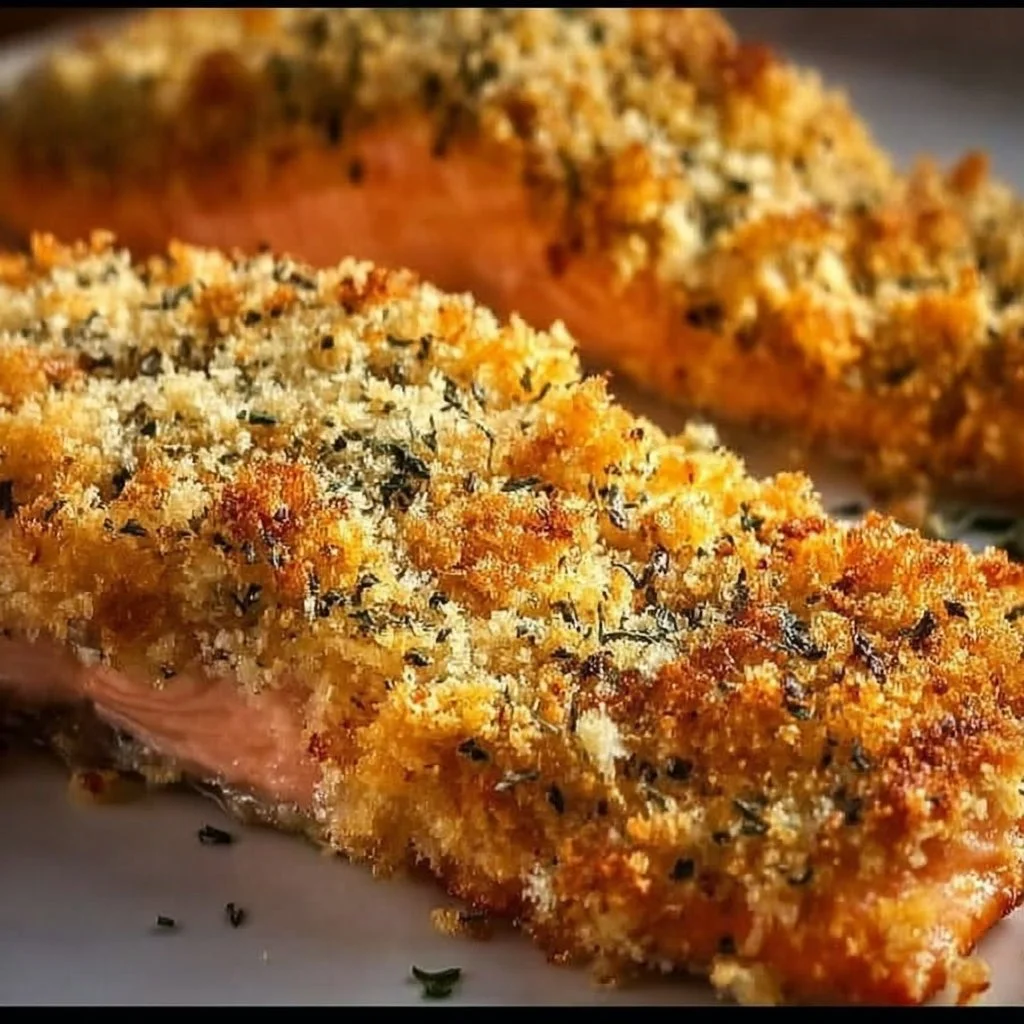
I first started making this Parmesan-crusted salmon when I needed a weeknight dinner that felt special but didn’t take forever. The golden, crunchy cheese crust gives the salmon a restaurant-worthy finish while the fish stays tender and flaky underneath — perfect for busy nights, date nights at home, or an easy dinner party main. If you like a crisp topping on a simple protein, this recipe delivers every time. Pair it with a light pasta or seasonal salad for a complete plate — I often reach for this cheesy garlic Parmesan spaghetti when I want something comforting alongside.
Why you’ll love this dish
This Parmesan-crusted salmon hits a sweet spot: it’s fast, impressive, and forgiving. The crust adds texture and umami from the cheese, while the salmon provides healthy omega-3s and protein. It’s quick enough for a weeknight and attractive enough for guests, and you can easily adapt the topping to be gluten-free or spicier depending on the crowd.
Why it works:
- Crunch from the breadcrumbs contrasts the buttery salmon.
- Parmesan melts and browns for a nutty, savory crust.
- Minimal prep; most of the work is mixing the topping and pressing it on.
Step-by-step overview
You’ll mix a savory Parmesan-breadcrumb topping, oil the salmon, press the topping onto each fillet, and bake. No pan-searing is required. Expect about 5–10 minutes of hands-on prep and 12–15 minutes in the oven depending on thickness. The crust should be golden and the flesh should flake with a fork when done.
What you’ll need
- 4 salmon fillets (6–8 oz each), skin on or off as you prefer
- 1 cup grated Parmesan cheese (freshly grated gives the best melt and flavor)
- 1 cup breadcrumbs (panko for extra crunch)
- 2 tablespoons olive oil (or melted butter for a richer crust)
- 1 tablespoon garlic powder (or 2 cloves minced fresh garlic)
- 1 teaspoon paprika (smoked paprika adds depth)
- Salt and pepper to taste
- Lemon wedges for serving
Notes and substitutions:
- For gluten-free: use almond meal or gluten-free panko.
- For a sharper crust, swap half the Parmesan for Pecorino Romano.
- Add fresh lemon zest to the topping for brighter flavor.
Step-by-step instructions
- Preheat the oven to 400°F (200°C). Line a baking sheet with parchment or lightly oil it.
- In a medium bowl combine the grated Parmesan, breadcrumbs, garlic powder, paprika, and a pinch of salt and pepper. Stir to blend.
- Pat the salmon fillets dry with paper towels. This helps the topping stick and promotes browning.
- Drizzle the olive oil evenly over the tops of the fillets. Rub it in so the surface is lightly coated.
- Press the breadcrumb-Parmesan mixture onto the oiled tops of each fillet. Press firmly so the crust adheres.
- Arrange the coated salmon on the prepared baking sheet, leaving space between fillets.
- Bake 12–15 minutes, depending on thickness, until the crust is golden and the salmon flakes easily with a fork. (If you prefer a well-done fish, cook toward the longer end.)
- Remove from oven and let rest 2–3 minutes. Serve with lemon wedges.
01Ingredients
For the Crust
For the Salmon
02Method
- Preparation
- Baking
Tap a step when it's done. The next one lights up.
0 OF 8 DONE03Recipe notes
- 01For gluten-free: use almond meal or gluten-free panko. For a sharper crust, swap half the Parmesan for Pecorino Romano. Add fresh lemon zest to the topping for brighter flavor.
How did it turn out?
No ratings yet. Tap a star to be the first.
Snap a photo and tag @recipe_smoke1 so I can see how yours came out.
Best ways to enjoy it
Serve the salmon hot so the crust stays crisp. Good pairings:
- Light pasta: toss spaghetti with garlic, olive oil, and a squeeze of lemon. Try pairing with cheesy garlic Parmesan spaghetti for a cozy combo.
- Vegetables: roasted asparagus, sautéed green beans, or a lemony arugula salad.
- Starchy sides: herbed mashed potatoes, lemon rice, or a simple quinoa pilaf.
For plating, place the fillet at a slight angle on the plate, spoon a bit of pan sauce or olive oil around it, and garnish with chopped parsley and a lemon wedge.
Storage and reheating tips
Refrigerate: Store cooked salmon in an airtight container for up to 3 days. Keep crust-side up if possible to preserve crunch.
Reheat: Warm gently in a 275°F (135°C) oven for 8–10 minutes to avoid drying. A quick 2–3 minute sear in a hot skillet (skin-side down) can help re-crisp the bottom. Avoid microwaving if you want to keep the crust crispy.
Freeze: Wrap individual cooked fillets tightly in plastic wrap and place in a freezer bag for up to 2 months. Thaw overnight in the fridge before reheating. For best texture, freeze before baking (raw, coated) and bake from partially thawed—add a few extra minutes to the bake time.
Food safety note: The USDA recommends cooking fish to an internal temperature of 145°F (63°C). Many chefs prefer salmon at 125–130°F for a moister texture; use a probe thermometer if you want precision.
Creative twists
- Lemon-herb: Mix lemon zest and chopped fresh dill or parsley into the topping.
- Spicy Parmesan: Add 1/2 teaspoon crushed red pepper flakes and swap smoked paprika for regular.
- Mustard crust: Brush fillets with Dijon mustard before pressing on the crust for tang and adhesion.
- Creamy sauce: Serve with a lemon cream or dill yogurt sauce for richness (see inspirations below).
- Gluten-free crust: Use crushed roasted almonds or almond meal mixed with grated Parmesan.
- Mediterranean: Add chopped sun-dried tomatoes and oregano to the crumbs.
Common questions
How long should I bake thick salmon fillets?
A: Thicker fillets (1–1.5 inches) generally need 14–18 minutes at 400°F. Start checking at 12 minutes; the fish is done when it flakes easily and reaches your preferred doneness.
Can I use frozen salmon?
A: Yes — thaw completely in the refrigerator first and pat dry. You can also bake from frozen, but expect 50% longer cooking time and the crust may not brown as evenly.
How do I make the crust extra crispy?
A: Use panko, press it firmly onto an oiled surface, and finish under the broiler for 1 minute if needed. Avoid steaming by ensuring the fillets aren’t touching and the oven has good air circulation.
Is this safe for kids or pregnant people?
A: Cook salmon to 145°F (63°C) to meet USDA safety guidelines, which ensures it’s safe for pregnant people and children. Adjust cook time to reach that internal temp.
Can I prepare the topping ahead of time?
A: Yes. Store the dry topping in an airtight container in the fridge for 1–2 days and press onto the fillets just before baking.
Conclusion
For more ideas, check out Baked Parmesan Crusted Salmon – Cooking Classy and my Baked Salmon in Foil. These will give you extra ideas for sauces, crust textures, and serving styles.
 Crockpot & Slow Cooker
 Dinner Bowls
 Casseroles
