Classic Chinese Chow Mein
A quick and colorful meal featuring crisp vegetables and chewy noodles, perfect for weeknight dinners and easy to customize.

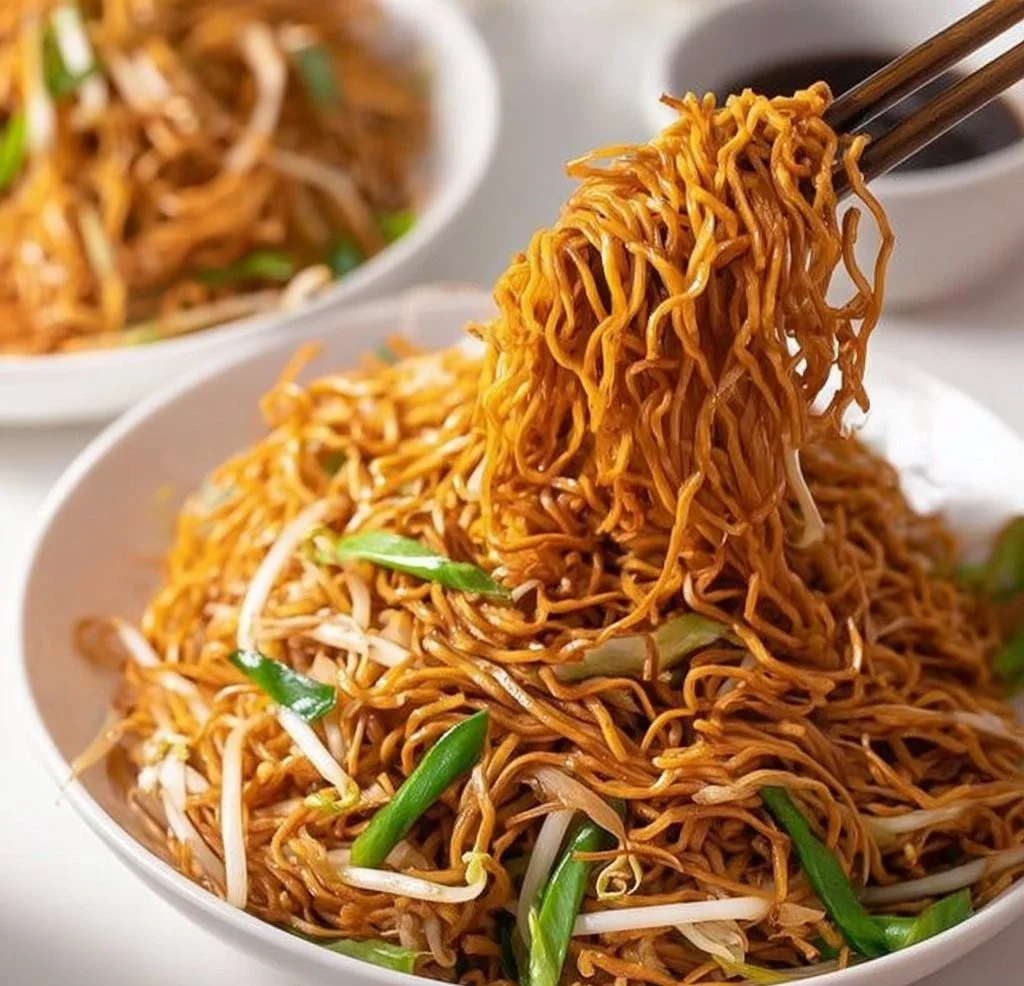
I’ve been making this Classic Chinese Chow Mein for years when I need something fast, colorful, and endlessly adaptable. It’s the kind of weeknight dinner that comes together in under 30 minutes, cleans up quickly, and satisfies picky eaters and grown-up palates alike. If you like quick pantry-and-fridge meals, you might also enjoy this potato and corn chowder as another simple comfort option.
Why you’ll love this dish
This chow mein is a practical classic: crisp vegetables, chewy noodles, and a salty-sweet soy hit that all come together in one hot skillet. It’s perfect for busy weeknights, last-minute guests, or anytime you want a restaurant-style noodle bowl without takeout. The recipe scales easily, so it’s great for feeding a family or turning into meal-prep lunches.
Reasons it stands out:
- Speed: Noodles cook while you prep veggies—total time under 30 minutes.
- Flexible: Swap proteins, add more greens, or use pantry staples.
- Budget-friendly: Vegetables and noodles are inexpensive compared with many takeout orders.
- Kid-friendly: Mild soy-based flavor — add less for little ones.
Preparing Classic Chinese Chow Mein
Quick overview so you know what to expect:
- Boil the chow mein noodles, then drain and set aside so they don’t clump.
- Heat a high-smoke-point oil in a large wok or skillet until hot.
- Sauté aromatics (garlic, ginger) briefly so they’re fragrant but not burned.
- Stir-fry crisp vegetables on high heat so they stay crunchy-tender.
- Toss in noodles and soy sauce, stirring to coat evenly.
- Add cooked protein if using, heat through, and finish with optional toppings.
- Serve immediately while everything is hot and slightly glossy from the sauce.
This overview helps you work in rhythm: noodle pot on the back burner, skillet on the front, and one pan that finishes everything.
What you’ll need
- Chow mein noodles (fresh or dried egg chow mein noodles). Sub: thin lo mein or yakisoba noodles in a pinch.
- Crisp vegetables: bell peppers (red/green), carrots (julienned), onions (sliced), bean sprouts.
- Soy sauce (use low-sodium if preferred).
- Garlic, minced.
- Ginger, grated or finely minced.
- Cooking oil with a high smoke point (vegetable, canola, peanut, or light sesame oil).
- Optional protein: thinly sliced chicken breast, peeled shrimp, or firm tofu (pressed).
Ingredient notes and substitutions:
- For gluten-free: use tamari or a gluten-free soy sauce and rice noodles instead of egg noodles.
- For more depth: add a splash of oyster sauce or hoisin with the soy sauce.
- Want a richer finish? Finish with a teaspoon of toasted sesame oil after you remove from heat.
If you want to serve something warming before the main, pair it with a simple potato and corn chowder for a two-course weeknight meal.
Step-by-step instructions
- Bring a large pot of salted water to a boil. Cook chow mein noodles according to package directions until just tender. Drain, rinse under cold water briefly to stop cooking, and toss with a little oil so they don’t stick. Set aside.
- Heat a large skillet or wok over medium-high to high heat. Add 1–2 tablespoons of cooking oil and swirl to coat.
- Add minced garlic and grated ginger. Stir constantly for 20–30 seconds until fragrant — don’t let them brown.
- Add the sliced onions, bell peppers, and carrots. Stir-fry 3–5 minutes until they’re tender-crisp. Add bean sprouts in the last 30 seconds so they keep crunch.
- Push vegetables to the side, add the cooked noodles to the pan. Pour 2–3 tablespoons soy sauce over the noodles (adjust to taste) and toss everything together until evenly coated. If the pan is dry, add a splash of water or broth to loosen.
- If using pre-cooked or quickly cooking proteins (shrimp or thin chicken slices), add them now and stir until heated through. For tofu, fold in gently so it doesn’t crumble.
- Remove from heat. Taste and adjust seasoning: more soy for salt, a pinch of sugar to balance, or a dash of rice vinegar for brightness. Serve hot with optional toppings.
Short, active sentences make the kitchen work flow: boil, heat, sauté, toss, finish.
01Ingredients
Noodles
Vegetables
Aromatics
Sauce
Cooking Oil
Optional Protein
02Method
- Preparation
- Cooking
Tap a step when it's done. The next one lights up.
0 OF 7 DONE03Recipe notes
- 01For gluten-free options, use tamari or gluten-free soy sauce with rice noodles. To enhance the flavor, consider adding oyster sauce or hoisin with the soy sauce.
How did it turn out?
No ratings yet. Tap a star to be the first.
Snap a photo and tag @recipe_smoke1 so I can see how yours came out.
Best ways to enjoy it
- Serve straight from the wok into wide bowls for family-style eating.
- Garnish with sliced green onions, toasted sesame seeds, or a drizzle of chili oil for heat.
- Pair with simple sides: pickled cucumbers, steamed bok choy, or a light soup.
- For a rounded meal, serve with a simple protein salad or even a small cup of the potato and corn chowder for contrast.
Plating tip: pile noodles loosely in the center of a shallow bowl and arrange vegetables on top so each forkful has texture.
Storage and reheating tips
Cool leftovers quickly and refrigerate within 2 hours. Store in an airtight container for up to 3–4 days.
Reheat gently: pan-fry in a hot skillet with a splash of oil or water to revive moisture and texture. Stir occasionally until piping hot (165°F / 74°C).
To freeze: portion into freezer-safe containers and freeze up to 2 months. Thaw overnight in the fridge and reheat in a skillet. Note: frozen chow mein will be softer; fresh crispness is reduced.
Food safety: discard if left at room temperature longer than 2 hours, and reheat to at least 165°F for safe consumption.
Creative twists
- Spicy Sichuan twist: add a spoonful of chili crisp or a touch of doubanjiang while stir-frying.
- Vegetarian: add shiitake or king oyster mushrooms and firm tofu, plus a splash of mushroom soy for umami.
- Peanut sesame: toss with a tablespoon of peanut butter and a little warm water to create a nutty sauce.
- Citrus brightness: finish with lime juice and cilantro for a fresher take.
- Regional spins: use hoisin and five-spice for Cantonese-style sweetness; add fish sauce and Thai basil for Southeast Asian notes.
Your questions answered
How long does this take start to finish?
A: About 20–30 minutes if you have ingredients prepped. Noodle cook time varies, but the stir-fry itself rarely exceeds 8–10 minutes.
Can I use dried spaghetti instead of chow mein noodles?
A: Yes — cook to al dente and rinse under cold water. Texture will be slightly different but the dish remains delicious.
Is chow mein high in sodium?
A: It can be if you use full-sodium soy sauce. Use low-sodium soy or tamari and taste as you go. Adding aromatic vinegar or citrus can reduce the need for extra salt.
Can I make this gluten-free or vegan?
A: Absolutely — swap tamari for soy sauce and use rice or other gluten-free noodles. Use tofu or extra vegetables to keep it vegan.
How do I keep vegetables crisp?
A: Cook on high heat for short times and add delicate items (bean sprouts, scallions) last.
Conclusion
For more background on the history and variations of this beloved noodle dish, see Chow Mein (Chinese Fried Noodles, 炒面) – Red House Spice. If you’d like to watch a step-by-step version, check out Classic Chinese Chow Mein Recipe [VIDEO] – Dinner, then Dessert.
 Crockpot & Slow Cooker
 Dinner Bowls
 Casseroles
