Shokupan (Japanese Milk Bread)
A soft, slightly sweet bread with a fine crumb, perfect for toast, sandwiches, or simply with butter.

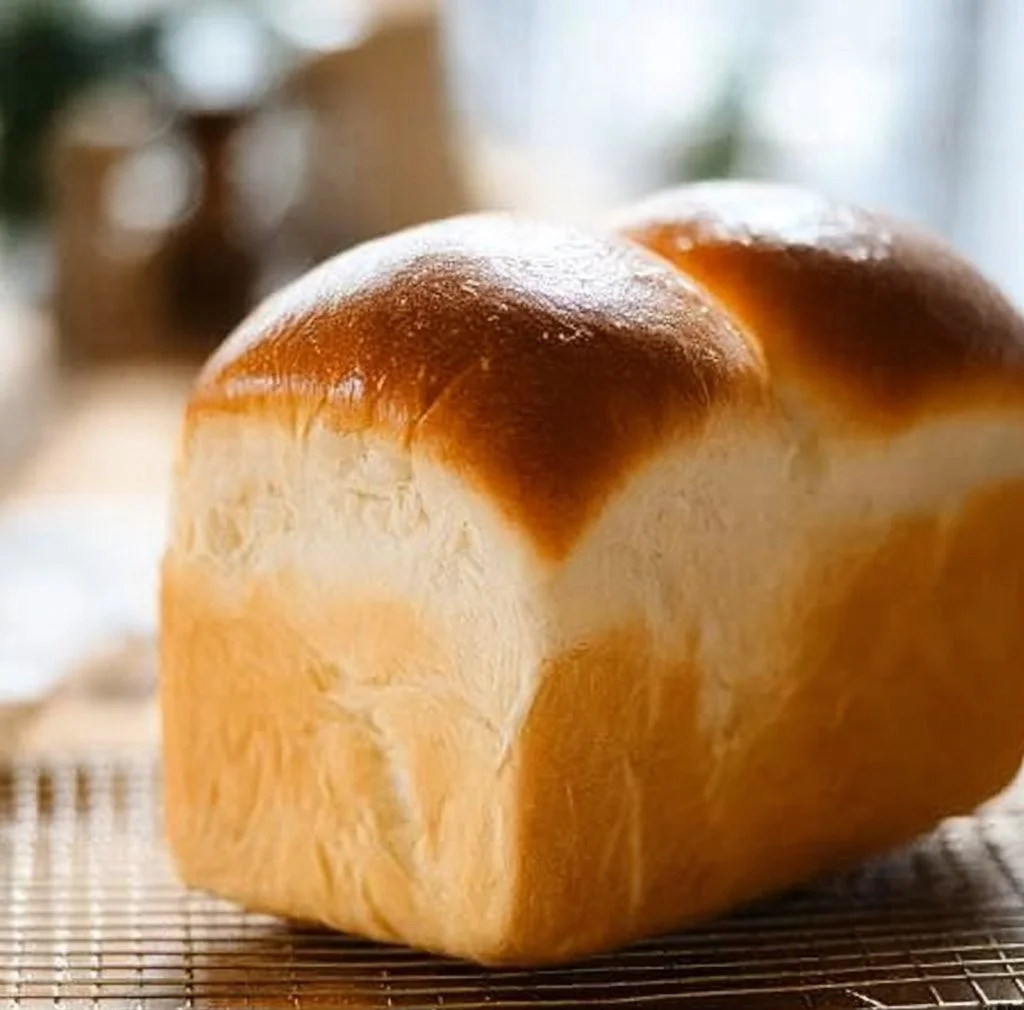
I started making this Shokupan (Japanese milk bread) because I wanted a loaf soft enough for toddlers’ sandwiches yet sturdy enough to hold a thick slice of jam. The result is pillowy, slightly sweet bread with a fine, tender crumb — perfect for toast, sandwiches, or simply a slab of butter. If you’ve been hunting for a dependable, classic Japanese milk bread recipe that uses yudane for extra softness, this version delivers consistent results.
I like to serve a warm slice with a chilled treat like an evening milkshake for an indulgent snack — try pairing it with a rich, cookies-and-cream shake like the one I often make: midnight Oreo milkshake.
Why you’ll love this dish
Shokupan is prized for its cloud-like texture, mild sweetness, and beautiful even crumb. It’s the loaf you pull from the pan when you want something that’s both comforting and versatile. Make it for family breakfasts, school sandwiches, or when you want a show-stopping loaf for guests.
- Soft crumb that stays tender for days thanks to the yudane.
- Mild, slightly sweet flavor that pairs with both sweet and savory toppings.
- Great for making elegant sandwiches, French toast, or thick buttery toast.
The cooking process explained
Before you begin, here’s a quick overview so you know what to expect: prepare the yudane and let it cool. Mix the dry ingredients, warm the liquids, then combine everything into a soft dough. Knead until smooth, let the dough double in a warm spot, shape into pans, proof again, and bake. Total active hands-on time is roughly 30–45 minutes; including rises and cooling, expect about 4–5 hours from start to finish (mostly waiting time).
What you’ll need
- 500 g bread flour (strong flour; provides structure and good chew)
- 30 g sugar (adjust down slightly for less sweetness)
- 10 g salt
- 10 g instant yeast
- 200 ml milk (whole milk preferred for richness; can substitute plant milk for dairy-free)
- 150 ml water
- 50 g unsalted butter, softened (room temperature)
- 50 g yudane (made from equal parts boiling water and flour — see directions)
Notes:
- Bread flour gives better structure than all-purpose. If you only have AP, the loaf will be softer but slightly less elastic.
- For a dairy-free version, use a neutral plant milk and vegan butter.
Directions to follow
- Make the yudane: stir 25 g bread flour with 25 g boiling water until it forms a sticky paste. Cover and cool to room temperature (about 30–60 minutes).
- Combine dry ingredients: in a large bowl, whisk 475 g bread flour (reserve 25 g for yudane), 30 g sugar, 10 g salt, and 10 g instant yeast. Keep the salt and yeast on opposite sides of the bowl until mixing to avoid contact before hydrating.
- Warm liquids: gently warm 200 ml milk and 150 ml water until lukewarm (about 30–35°C / 86–95°F). Too hot will kill the yeast; too cold slows fermentation.
- Mix dough: add the warmed milk-water, the cooled yudane, and 50 g softened butter to the dry mix. Stir until a shaggy dough forms.
- Knead: turn onto a lightly floured surface and knead for about 8–12 minutes by hand (or 6–8 minutes in a stand mixer with a dough hook) until the dough is smooth, slightly tacky, and elastic. The windowpane test should show a thin, translucent stretch.
- First rise: place the dough in a lightly oiled bowl, cover, and let rise in a warm spot until doubled in size — usually 1–2 hours depending on room temperature.
- Shape: gently deflate the dough, divide if making two loaves, and shape into tight rolls or a log to fit greased loaf pans. Place seam-side down in pans.
- Second rise: cover and proof until the dough is puffy and nearly doubled, about 30–60 minutes. It should spring back slowly when poked.
- Bake: preheat oven to 180°C (350°F). Bake for 30–35 minutes until golden brown and the internal temperature reaches about 92–96°C (198–205°F). If the top browns too quickly, tent with foil.
- Cool: remove from pans and cool completely on a rack before slicing to set the crumb.
Key Ingredients
- Bread flour — for structure and chew.
- Sugar — for flavor and browning.
- Instant yeast — easy and reliable; active dry yeast works if rehydrated.
- Milk and water — milk adds tenderness and flavor; water adjusts hydration.
- Unsalted butter — enriches the crumb.
- Yudane — the cooked flour mixture that boosts softness and moisture retention.
Substitution tips: use active dry yeast doubled in weight and proofed in lukewarm liquid first. For a softer crust, brush melted butter on hot loaves right after baking.
01Ingredients
For the dough
For the Yudane
02Method
- Preparation
- Mixing and Kneading
- First Rise
- Shaping
- Baking
Tap a step when it's done. The next one lights up.
0 OF 10 DONE03Recipe notes
- 01For a dairy-free version, use a neutral plant milk and vegan butter. Bread flour gives better structure than all-purpose flour. If the top browns too quickly, tent with foil during baking.
How did it turn out?
No ratings yet. Tap a star to be the first.
Snap a photo and tag @recipe_smoke1 so I can see how yours came out.
Best ways to enjoy it
Shokupan shines in simple pairings. Try these to highlight the loaf’s soft texture:
- Thick, buttery toast with a sprinkle of sea salt.
- Classic egg salad or katsu sando-style chicken cutlets for a Japanese-inspired sandwich.
- French toast made with slightly stale slices for fluffier results.
- Sweet honey butter or jam for breakfast.
If you’re serving a casual afternoon spread, this loaf pairs beautifully with an indulgent milkshake — for a playful contrast try a cookies-and-cream shake like my favorite midnight Oreo milkshake.
Storage and reheating tips
Room temp: keep wrapped tightly in plastic or in an airtight container for up to 3 days. Store on the counter, not the fridge — refrigeration dries bread faster.
Freezing: slice and freeze in vacuum bags or double-wrapped for up to 3 months. Thaw slices at room temperature or toast straight from frozen.
Reheating: refresh slices in a toaster or under a hot grill for a crisp exterior and soft interior. For a whole loaf, tent with foil and warm in a 150°C (300°F) oven for 10–15 minutes.
Food safety: cool loaves completely before sealing to avoid condensation and mold. Discard if you detect off smells or visible mold.
Creative twists
- Sesame Shokupan: brush tops with egg wash and sprinkle toasted sesame seeds.
- Sweet swirl: roll a thin layer of cinnamon sugar or red bean paste before shaping.
- Whole grain: replace up to 30% of the bread flour with light whole wheat, increase hydration by 5–10 ml.
- Dairy-free: swap milk for full-fat soy or oat milk and use vegan butter. Texture will be slightly different but still tender.
Common questions
How long does the whole process take?
A: Active work is about 30–45 minutes. Including two rises and cooling, expect roughly 4–5 hours. You can slow the first rise in the fridge overnight for convenience.
Can I use tangzhong instead of yudane?
A: Yes. Tangzhong is a cooked slurry made with a different ratio (usually 1:5 flour to water). It also improves softness but changes hydration slightly — follow a tangzhong-adapted recipe for best results.
My loaf is dense — what went wrong?
A: Common causes are under-kneading, too little rise time, old yeast, or overly low dough temperature. Check yeast freshness and aim for a smooth, elastic dough and a full first rise.
Can I make this in a bread machine?
A: You can use the machine for mixing and the first rise, but shaping and a final proof in loaf pans yields the classic tall shape. Use the dough cycle and then shape manually.
How should I slice Shokupan?
A: Use a long, sharp serrated knife and a gentle sawing motion. Chill the loaf slightly for cleaner slices if you prefer very neat pieces.
Conclusion
If you want a reliably soft, slightly sweet loaf with a fine crumb, this Shokupan method (with yudane) is a keeper. For more ideas, check out Shokupan (Japanese Milk Bread) tutorial with tips and my Easy Banana Bread Recipe.
 Baking
 Baking
 Baking
